
How to Jump-Start a Car in Abu Dhabi: A Simple Guide
A dead car battery can be stressful, especially in Abu Dhabi’s heat or busy streets. With a few simple tools and clear steps, you can get your car running quickly and safely. This guide covers how to jump-start your car, what to check, and tips for maintaining battery health.
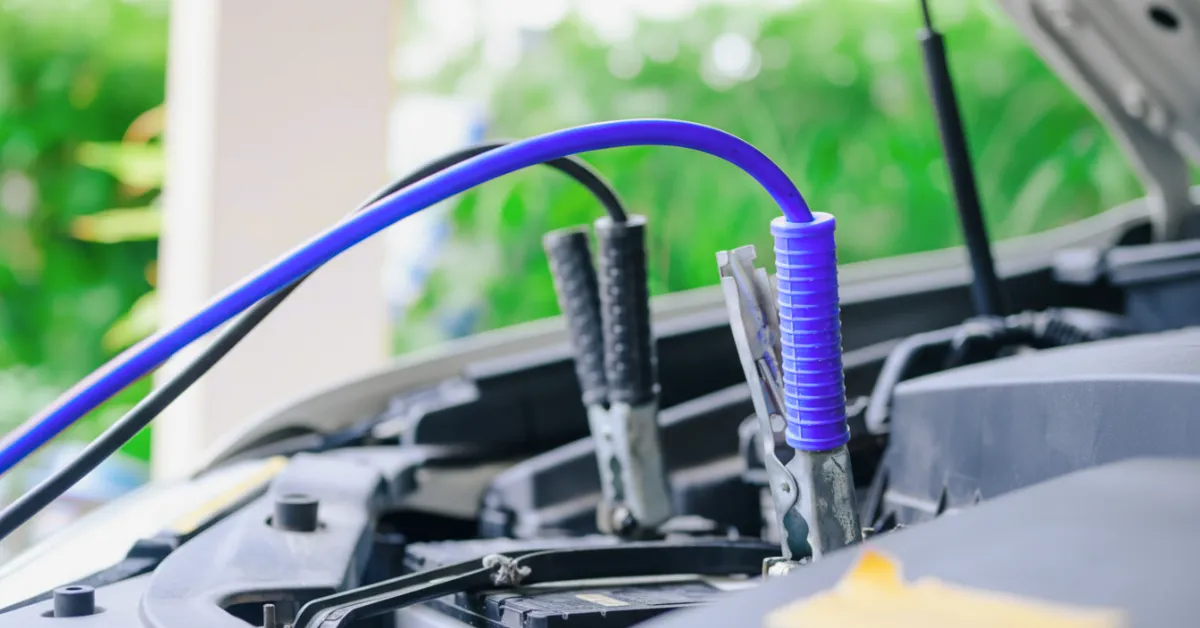
What Causes a Dead Battery in Abu Dhabi?
Car batteries can fail unexpectedly, leaving you stranded. In Abu Dhabi, certain conditions make batteries more likely to die. Understanding the main causes helps you prevent problems and stay safe on the road.
Common Reasons:
- Extreme heat: High temperatures speed up battery wear.
- Short trips: Driving only short distances may not fully recharge the battery.
- Sand and dust: Corrosion around terminals can reduce power.
- Electronics left on: Lights, AC, or infotainment drain the battery when the car is off.
- Old battery: Most batteries last 3–5 years; older ones fail more often.
Step-by-Step Step to How Jump-Start Your Car Safely
Jump-starting your car after a dead battery is straightforward if you follow clear steps, prioritizing safety. Use these instructions to get your car running without risk.
1. Position the Cars Correctly
Park the working car closes enough so the jumper cables can reach both batteries. Make sure the cars do not touch each other. Turn off both engines and apply the parking brakes.
2. Identify Battery Terminals
Check the battery terminals:
Make sure the terminals are clean and free of corrosion.
- Positive (+): Usually red
- Negative (−): Usually black
3. Connect the Jumper Cables
Attach the cables in this order to avoid sparks:
Tip: The last connection away from the battery reduces the risk of sparks.
- Red clamp → positive terminal of dead battery
- Red clamp → positive terminal of working battery
- Black clamp → negative terminal of working battery
- Black clamp → metal part of dead car (engine block or chassis, not battery)
4. Start the Working Car
Start the car with a good battery and let it run for 2–3 minutes. This will transfer the charge to the dead battery.
5. Start the Dead Car
Try starting the car with the dead battery. If it doesn’t start, wait a few minutes and try again. Avoid repeated attempts that can overheat the starter.
6. Disconnect the Jumper Cables Safely
Remove the cables in reverse order:
- Black clamp from a dead car
- Black clamp from the working car
- Red clamp from the working car
- Red clamp from a dead car
7. Drive to Recharge
Once started, drive for 20–30 minutes to fully recharge the battery. This helps prevent it from dying again soon after the jump-starts.
Special Cases: Hybrids & EVs in Abu Dhabi
Hybrid and electric cars are different from regular cars. They use a small 12V battery for electronics but jumping them the wrong way can damage the car or void the warranty.
Most hybrids and EVs have safety features that stop normal jump-starting. Always check the owner’s manual first. Some cars need a special jump-start port, or a portable jump-starter made for EVs.
If you are not sure, it’s safer to call for professional help. Trying a regular jump to start on these cars can harm electronics and cause costly repairs.
Precautions to Take After a Jump-Start
After a jump-start, a few precautions help protect your battery, starter, and electrical system while reducing the risk of another breakdown.
- Keep the engine running: Drive for 20–30 minutes to fully recharge the battery.
- Avoid short trips immediately: The battery may not be fully charged yet.
- Check battery terminals: Make sure they are clean and tightly connected.
- Test electrical systems: Ensure lights, AC, and electronics work properly.
- Inspect the battery: Look for cracks, leaks, or swelling that may need professional attention.
Battery Maintenance Tips After the Jump-Start
Once your car is running again, taking care of the battery is important for preventing future problems. Proper maintenance extends battery life.
- Clean the terminals: Wipe off dust, dirt, and corrosion regularly to ensure a good connection.
- Check battery charge: Test the battery periodically, especially if it is more than 3 years old.
- Avoid leaving electronics on: Turn off lights, AC, or infotainment when the car is parked to prevent draining the battery.
- Replace old batteries: Most batteries last 3–5 years; replace them before they fail.
- Monitor for repeated issues: If your battery keeps dying, have the alternator and starter checked by a professional.
When to Call Roadside Assistance in Abu Dhabi?
If your car doesn’t start even after a few jump-start attempts, it’s time to call for help. Continuing to try can damage the battery or starter, so professional assistance is safer. Also, if the battery is leaking, swollen, or cracked, never attempt another jump-start, call a service provider immediately.
Some drivers prefer professional support for peace of mind. Zenfo Auto Services offers fast, reliable roadside assistance across Abu Dhabi. They provide professional auto repair and maintenance services, including battery replacement, jump-starts, and on-site diagnostics to get you back on the road quickly and safely.
Conclusion
A dead battery can happen to anyone, but knowing the right steps makes it easy to get back on the road safely. By following proper jump-start procedures and taking care of your battery afterward, you can avoid future problems and keep your car running reliably. Regular checks and maintenance ensure peace of mind every time you drive.
FAQs
Yes, but only if you have a portable jump-starter or a push start method for manual cars. Traditional jumper cables require a second car. Portable jump-starters are safer and easier, while push starting is only possible with manual transmission and should be done carefully to avoid damage.
Yes, it can be safe if you take precautions. Use hazard lights, flashlights, and reflective clothing if needed. Make sure both cars are on a flat, stable surface and that the cables are connected properly to avoid sparks. Safety is more important than speed at night.
Jumper cables should be at least 10–12 feet (3–4 meters) long. This gives enough length to safely reach both car batteries without stretching. Longer cables are useful if cars cannot be parked very close together.
It is rare but possible. Incorrect cable connections or sparks can harm sensitive electronics like the ECU, infotainment system, or sensors. Always connect cables in the correct order and avoid letting them touch metal surfaces. Using a modern portable jump-starter is usually safer than using another car.
Yes, a weak alternator may prevent the battery from holding a charge, even after a jump-start. The car might start temporarily, but the battery could die again quickly. If this happens, have the alternator checked by a professional.
Yes, you can try, but success depends on the battery’s condition. If the battery is completely dead or damaged, it may not hold a charge, and a jump-start may fail. In such cases, the battery may need replacement rather than repeated jump attempts.
If the car doesn’t start after 2–3 jump attempts: Stop trying to avoid damaging the starter. Check battery connections for corrosion. Having a professional inspect the battery, alternator, or starter motor. Repeated attempts on a faulty battery can make the problem worse.
Yes, but usually only a small amount. A healthy, fully charged battery can handle a jump-start without issue. However, repeatedly jump-starting other cars in a short time may lower the working car’s battery charge. Always let the donor’s car idle for a few minutes before disconnecting.
Jump-starter: Provides a quick burst of power to start a dead car immediately. Portable and convenient for roadside emergencies. Battery charger: Slowly recharges the battery over time, usually at home or in a garage. It does not provide instant starting power.
Related Articles


Need a hand with your car?
Zenfo Auto Services, Mussafah, Abu Dhabi. Free pick-up, honest quotes.