
How to Repair a Car Alternator
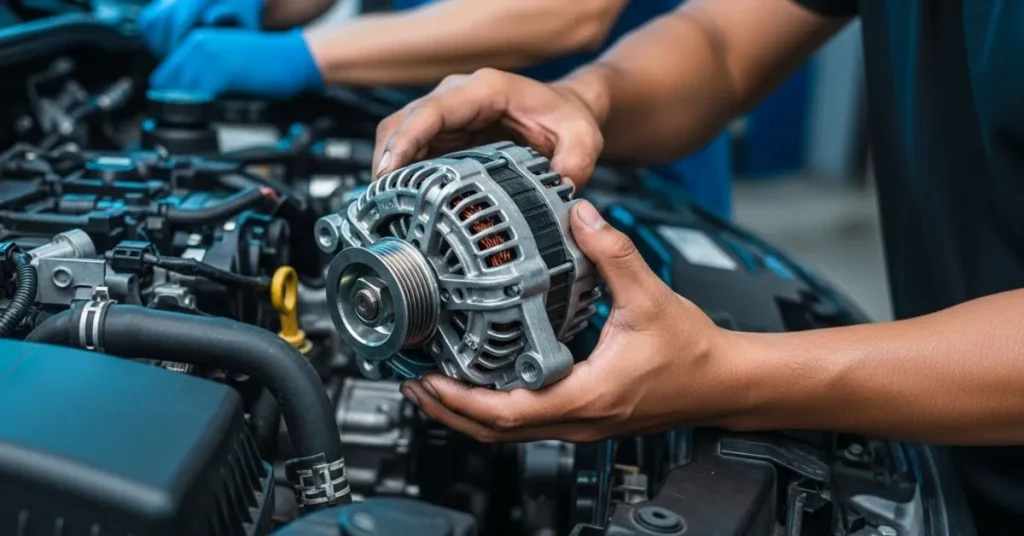
A car alternator plays a key role in keeping your vehicle running. It supplies power to electrical systems and charges the battery while the engine is on. When the alternator fails, your car may stop suddenly, your lights may dim, and your battery may die without warning.
Many drivers in Abu Dhabi face alternator issues due to heat, heavy traffic, and long driving hours. Knowing how alternator repair works helps you act early and avoid costly breakdowns.
This guide explains everything in simple terms. You will learn what an alternator does, the signs of failure, how it is repaired, and when professional help is needed.
What Does a Car Alternator Do?
The alternator converts engine power into electricity. It sends this power to:
- Headlights and interior lights
- Infotainment system
- Sensors and control units
- Battery charging system
Once the engine starts, the alternator takes over from the battery. If it fails, the battery drains fast, and the car shuts down.
Modern cars depend heavily on electrical systems. That makes alternator health very important.
Common Signs Your Alternator Needs Repair
Early warning signs should never be ignored.
Dashboard Warning Light: A battery or charging light on the dashboard often signals alternator trouble.
Weak or Flickering Lights: Headlights may dim at idle or flicker while driving.
Repeated Battery Failure: If the battery dies again after replacement, the alternator may not be charging properly. In such cases, Battery Replacement alone will not solve the issue.
Strange Noises: Grinding or whining sounds may come from worn alternator bearings.
Burning Smell: A damaged belt or overheated wiring can produce a burning rubber smell.
What Causes Alternator Failure?
Alternators wear out over time, but other issues can speed up failure.
- Worn brushes
- Bad voltage regulator
- Loose or damaged drive belt
- Heat damage
- Electrical overload
In some cases, alternator problems are linked to engine stress. That is why alternator checks are often part of Engine Repair inspections.
Can a Car Alternator Be Repaired?
Yes, many alternators can be repaired instead of replaced. The decision depends on the damage level.
Alternator Repair Is Possible When:
- Brushes are worn
- Bearings are damaged
- The voltage regulator fails
Alternator Replacement Is Better When:
- Internal windings are burned
- Severe electrical damage exists.
- Housing is cracked
A proper electrical test helps decide the best option.
Step-by-Step: How to Repair a Car Alternator
This section explains the general repair process. Actual repair should be done by trained professionals.
Step 1: Battery Disconnection
The battery is disconnected to prevent electrical damage or injury.
Step 2: Alternator Removal
- The serpentine belt is loosened
- Electrical connectors are removed
- Mounting bolts are taken out
Access difficulty depends on the car model.
Step 3: Inspection and Testing
The alternator is inspected for:
- Bearing wear
- Brush condition
- Slip ring damage
- Voltage output
This testing falls under professional Electrical Repair procedures.
Step 4: Faulty Part Replacement
Common repairs include:
- Replacing worn bearings
- Installing new brushes
- Changing the voltage regulator
Only damaged parts are replaced to control cost.
Step 5: Reassembly and Bench Test
After the repair, the alternator is tested outside the car. It must produce a stable voltage.
Step 6: Reinstallation and Final Check
The alternator is installed again. Belt tension is adjusted. Charging performance is checked with the engine running.
Alternator Repair vs Replacement
Repair Benefits
- Lower cost
- Faster turnaround
- Suitable for minor damage
Replacement Benefits
- Longer lifespan
- Better for severe damage
- Reduced risk of repeat issues
A professional diagnosis ensures the right decision.
How Long Does Alternator Repair Take?
- Basic repair: 2 to 3 hours
- Complex repair: 4 to 6 hours
- Full replacement: 2 to 4 hours
Time depends on engine layout and alternator location.
How Alternator Problems Affect Other Car Systems
A weak alternator does more damage than many drivers realize.
- Battery Damage: Low charging output shortens battery life. This leads to repeated Battery Replacement needs.
- Engine Performance Issues: Sensors and control units need a stable voltage. Poor charging can cause warning lights and rough performance.
- Cooling and AC Problems: Electrical instability may affect cooling fans and AC systems. Some alternator issues are discovered during Car AC Repair checks.
Importance of Professional Alternator Repair
Modern vehicles have complex electronics. Incorrect alternator repair can damage:
- Engine control units
- Battery systems
- Wiring harnesses
That is why alternator work should be handled by specialists in car repair in Abu Dhabi, where proper tools and diagnostics are used.
Alternator Maintenance Tips
Follow these simple tips to extend alternator life.
- Replace worn belts on time
- Keep the engine area clean
- Avoid adding heavy electrical accessories
- Fix battery issues early
- Schedule routine inspections
Preventive care reduces breakdown risk.
When Should You Visit a Workshop?
Seek professional help if:
- Warning lights stay on
- The car stalls while driving
- The battery keeps dying
- Multiple electrical issues appear
Early inspection saves money and prevents roadside breakdowns.
Final Thoughts
The alternator is the heart of your car’s electrical system. Ignoring small warning signs can lead to sudden breakdowns and higher repair costs. Understanding how alternator repair works helps you take action at the right time.
Whether the alternator needs minor repair or full replacement, professional inspection is the safest choice. Regular maintenance, early diagnosis, and expert handling ensure smooth driving and long-term reliability.