
How to Repair Leather Car Seats with Cracks
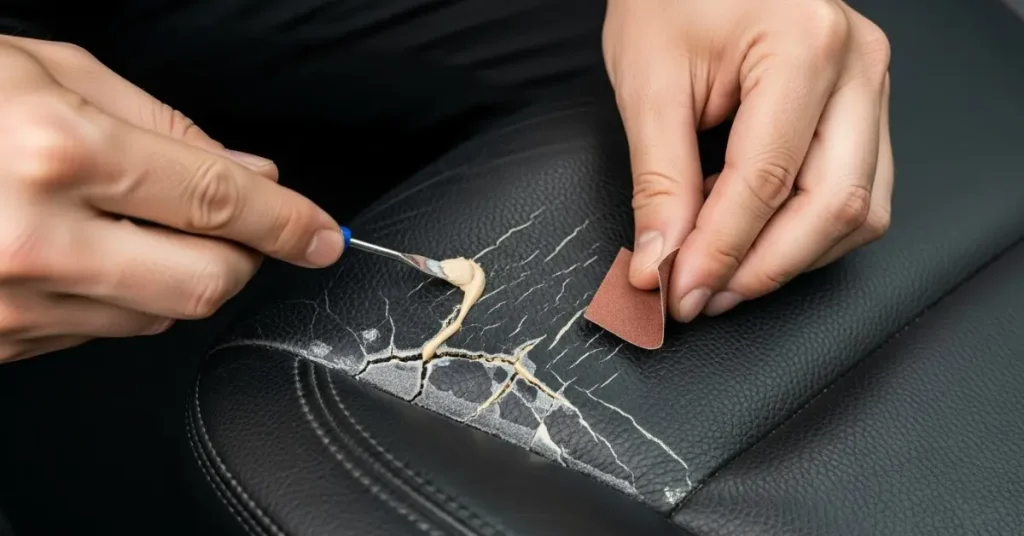
Leather car seats add comfort, style, and value to your vehicle. But over time, heat, sunlight, and daily use can cause cracks. In Abu Dhabi, strong sun and high temperatures make this problem even more common.
Cracked leather seats can often be repaired. Some small cracks can be fixed at home. Serious damage may need professional care. This guide explains why leather cracks, how to repair it step by step, and when expert help is the better choice.
Why Leather Car Seats Crack
Leather is strong, but it is also natural. It needs care to stay soft. When care is missing, cracks start to appear.
Common reasons for cracks
- Heat and sunlight: Long hours in direct sunlight dry out leather. This removes natural oils and makes seats hard.
- Lack of cleaning: Dust, sweat, and dirt build up over time. These particles slowly break down the leather surface.
- No conditioning: Leather needs moisture. Without conditioner, it becomes dry and brittle.
- Age and wear: Constant sitting, sliding, and pressure weaken the leather, especially on seat edges.
Understanding the cause helps prevent future damage after repair.
Types of Leather Seat Cracks
Not all cracks are the same. Knowing the type helps choose the right repair method.
Surface cracks: These are small and shallow. They usually affect only the top layer. These are the easiest to fix.
Medium cracks: These go deeper but do not tear the seat fully. They need filler and color repair.
Deep cracks and tears: These damage the leather structure. DIY fixes may not last long. Professional car upholstery repair is often required for a strong result.
Tools and Materials Needed for Leather Repair
Before starting, gather the right items. This helps avoid uneven results.
- Leather cleaner
- Soft brush or microfiber cloth
- Sandpaper (400–600 grit)
- Leather filler or repair compound
- Palette knife or plastic spatula
- Leather color dye (matching seat color)
- Leather conditioner
- Heat gun or hair dryer (optional)
Using quality products gives better and longer-lasting results.
Step-by-Step: How to Repair Cracked Leather Car Seats
Step 1: Clean the seat properly
Start with a deep clean. Dirt left in cracks will stop the filler from bonding.
- Use a leather-safe cleaner
- Gently scrub with a soft brush
- Wipe dry with a clean cloth
Let the seat dry fully before moving to the next step.
Step 2: Sand the cracked area
Light sanding smooths rough edges and removes loose leather.
- Use fine-grit sandpaper
- Sand gently, only on the cracked area
- Do not oversand
Wipe away dust after sanding.
Step 3: Apply leather filler
This is the main repair step.
- Use a small spatula
- Press filler into cracks
- Apply thin layers
Let each layer dry before adding another. This prevents uneven texture. For deeper cracks, 2–3 layers may be needed.
Step 4: Dry and smooth the surface
Once the filler is dry:
- Lightly sand again
- Make the surface smooth and even
A hair dryer can speed up drying, but keep it at a safe distance.
Step 5: Restore the leather color
Cracks often remove color, so repainting is important.
- Match the leather dye carefully
- Apply with a sponge or cloth
- Use light coats
Let the color dry between layers. This step blends the repair into the seat.
Step 6: Condition the leather
This step is often skipped, but it is very important.
- Apply leather conditioner
- Let it absorb fully
Conditioning restores moisture and helps prevent new cracks.
When DIY Repair Is Not Enough
Home repairs work well for small damage. But some cases need expert care.
Choose professional help when:
- Cracks are deep or wide
- Leather is torn or peeling
- Color damage is large
- Seat foam is exposed
In such cases, expert auto body shop services can restore both comfort and appearance safely.
Professional Leather Seat Repair: What to Expect
Professional repair offers stronger and cleaner results.
Benefits of professional repair
- Proper color matching
- Stronger fillers and coatings
- Even texture and finish
- Long-lasting results
If seats are part of a larger interior issue, services like car detailing can also improve the overall cabin look after repair.
How Leather Seat Repair Improves Car Value
Cracked seats reduce comfort and resale value. Repairing them brings several benefits.
- Better driving comfort
- Cleaner interior look
- Higher resale appeal
- Protection against further damage
Interior condition matters just as much as engine health.
Preventing Leather Seat Cracks in the Future
After repair, prevention is key.
Simple care tips
- Park in shade whenever possible
- Use windshield sunshades
- Clean seats every 2–3 weeks
- Condition leather every 2–3 months
- Avoid harsh cleaners
Regular care reduces the need for frequent repairs.
Leather Seats and Overall Car Care
Interior care works best when combined with full vehicle maintenance.
For example:
- Smooth driving reduces seat stress, which links to proper suspension repair
- Electrical seat controls need reliable electrical repair if buttons or motors fail
- Clean interiors often follow exterior services like car polish to keep the car looking complete
Car care is always connected. One good service supports another.
Choosing the Right Auto Care Partner in Abu Dhabi
When looking for professional help, choose a service provider that understands local conditions.
Key points to look for:
- Experience with leather interior
- Quality materials
- Clear process and timelines
- Interior and exterior service options
For complete vehicle support, many drivers prefer trusted Car Auto Services Abu Dhabi providers that handle both interior and mechanical needs under one roof.
Final Thoughts
Cracked leather car seats are common, especially in hot climates like Abu Dhabi. The damage may look serious, but many cracks can be repaired with the right steps and care.
Small cracks can be fixed at home with cleaning, filling, coloring, and conditioning. More serious damage is best handled by professionals, especially when long-term results matter.
With regular maintenance and timely repair, leather seats can stay soft, clean, and comfortable for years. A little care today can save you from costly replacement tomorrow.