Expert Car
Repair
& Service
in Abu Dhabi
Premium care for your car. Performance you can trust.
Offer Ends Today
Don't miss out on this limited-time offer.
Your Car, Serviced in 6 Simple Steps
From your first call to free delivery — here's how Zenfo keeps the whole experience effortless.
Book Service
Call, WhatsApp or request a quote online in seconds.
Free Pick-up
We collect your car from anywhere in Abu Dhabi.
Inspection
A full multi-point check and honest diagnosis.
Estimate & Approval
A transparent quote — work starts once you approve.
Expert Repair
Certified mechanics using genuine, quality parts.
Free Delivery
We return your car, serviced and ready to drive.
Premium Car Care You Can Trust
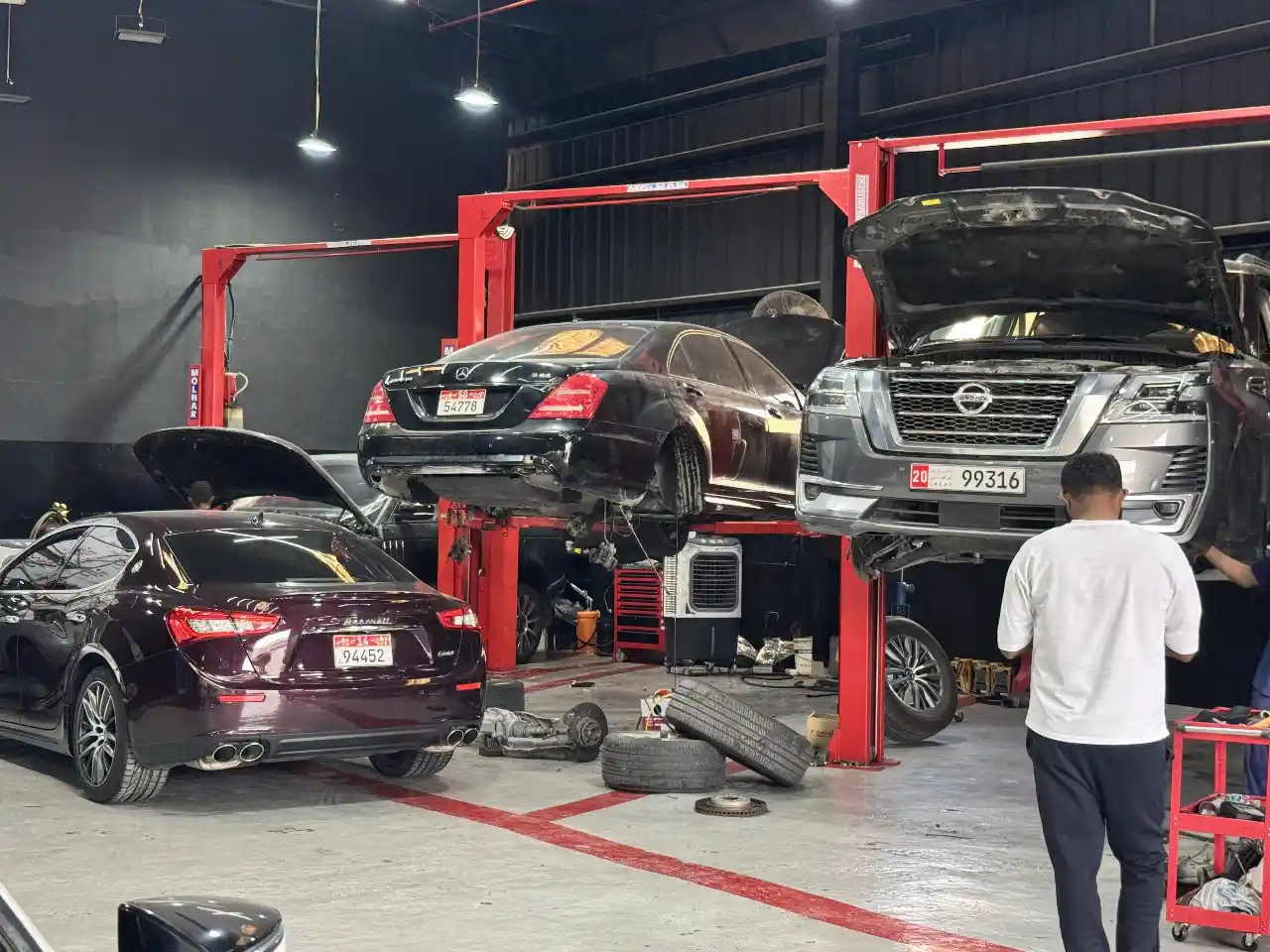
Located in the heart of Musaffah Industrial Area, Zenfo Auto Services blends cutting-edge technology, expert craftsmanship and a genuine commitment to customer satisfaction. Our workshop handles everything from routine maintenance to complex repairs.
With 20+ skilled mechanics servicing up to 50 cars a day, we care for both everyday vehicles and high-end marques including Mercedes, BMW, Porsche, Rolls-Royce, Ferrari and Lamborghini.
- Complete major & minor services under one roof
- Genuine and OEM-grade parts you can trust
- Advanced diagnostics for modern & luxury vehicles
- Free collection and return anywhere in Abu Dhabi
Major & Minor Car Services
Whether it's a quick routine check-up or a comprehensive overhaul, our service packages keep your car safe, reliable and running like new.
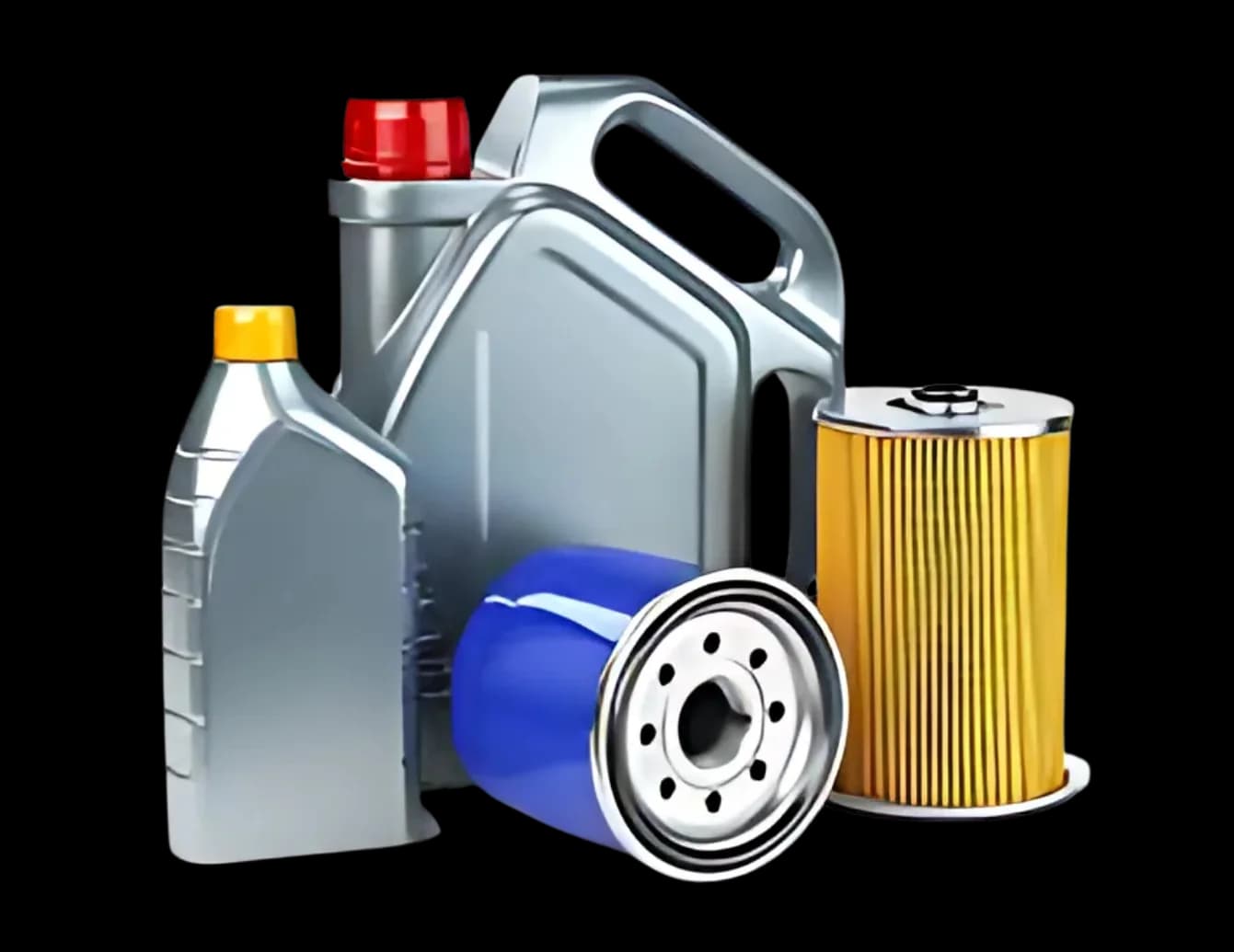
Minor Service
Essential upkeep to keep your car running smoothly.
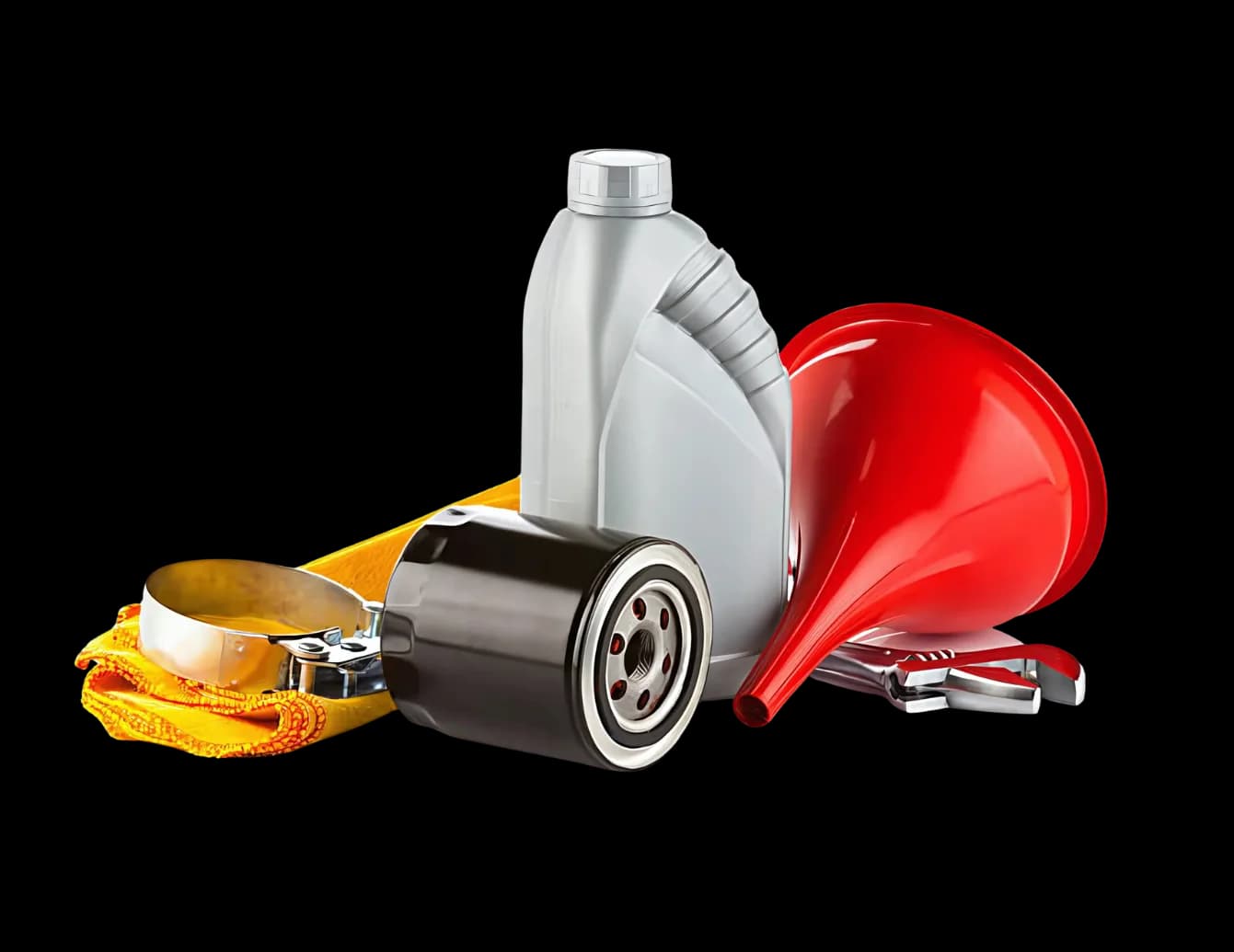
- Engine oil & oil filter change
- All fluid level top-ups
- Tyre pressure & condition check
- Battery health check
- Brake inspection
- Multi-point visual inspection
Major Service
A thorough, top-to-bottom service for total peace of mind.
- Everything in the Minor Service
- Spark plugs replacement
- Air, fuel & AC filter change
- Full brake system service
- Computerised engine diagnostics
- Suspension & steering check
- Coolant & transmission check
Our Auto Repair Services
A full range of mechanical, electrical and bodywork services for every make and model — carried out by certified technicians using the latest equipment.
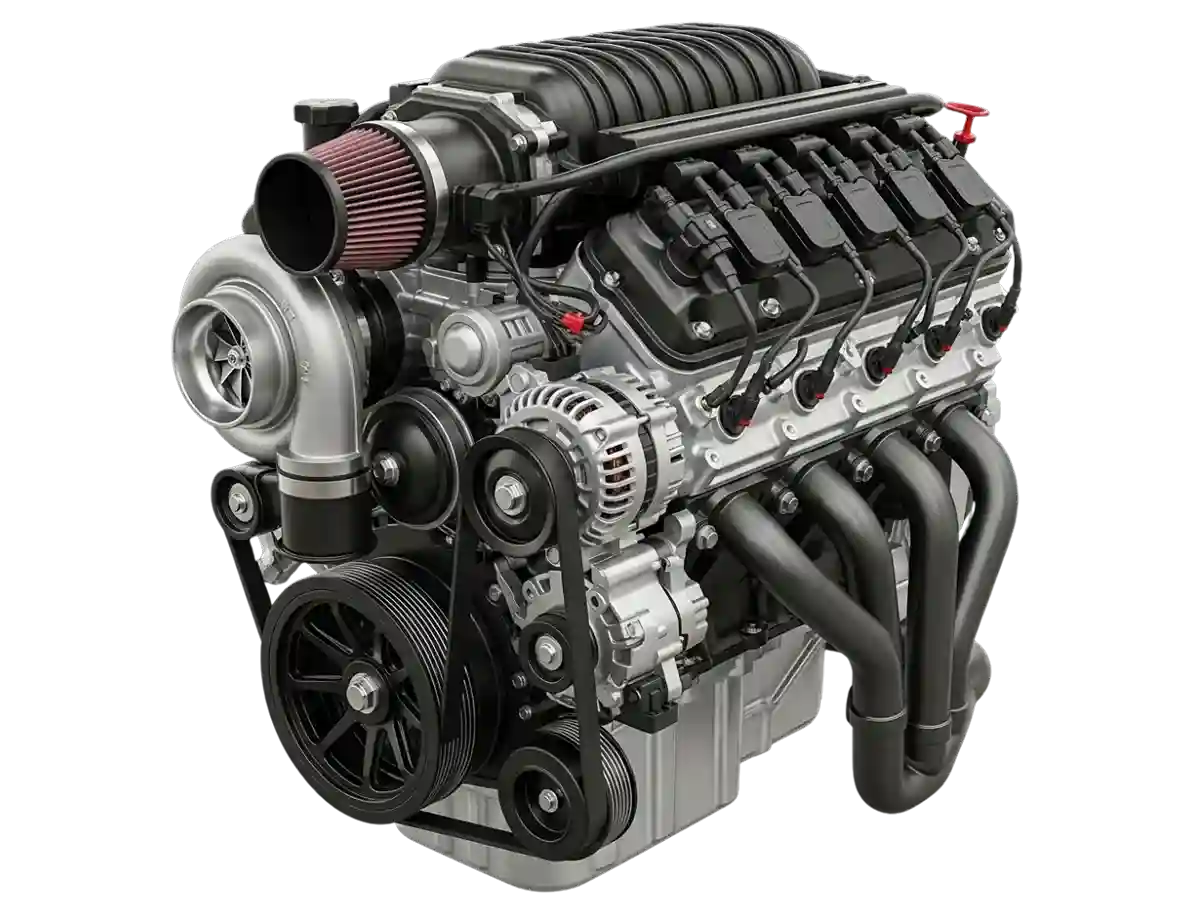

Engine Repair
Complete engine diagnostics, overhaul and performance restoration.
Learn more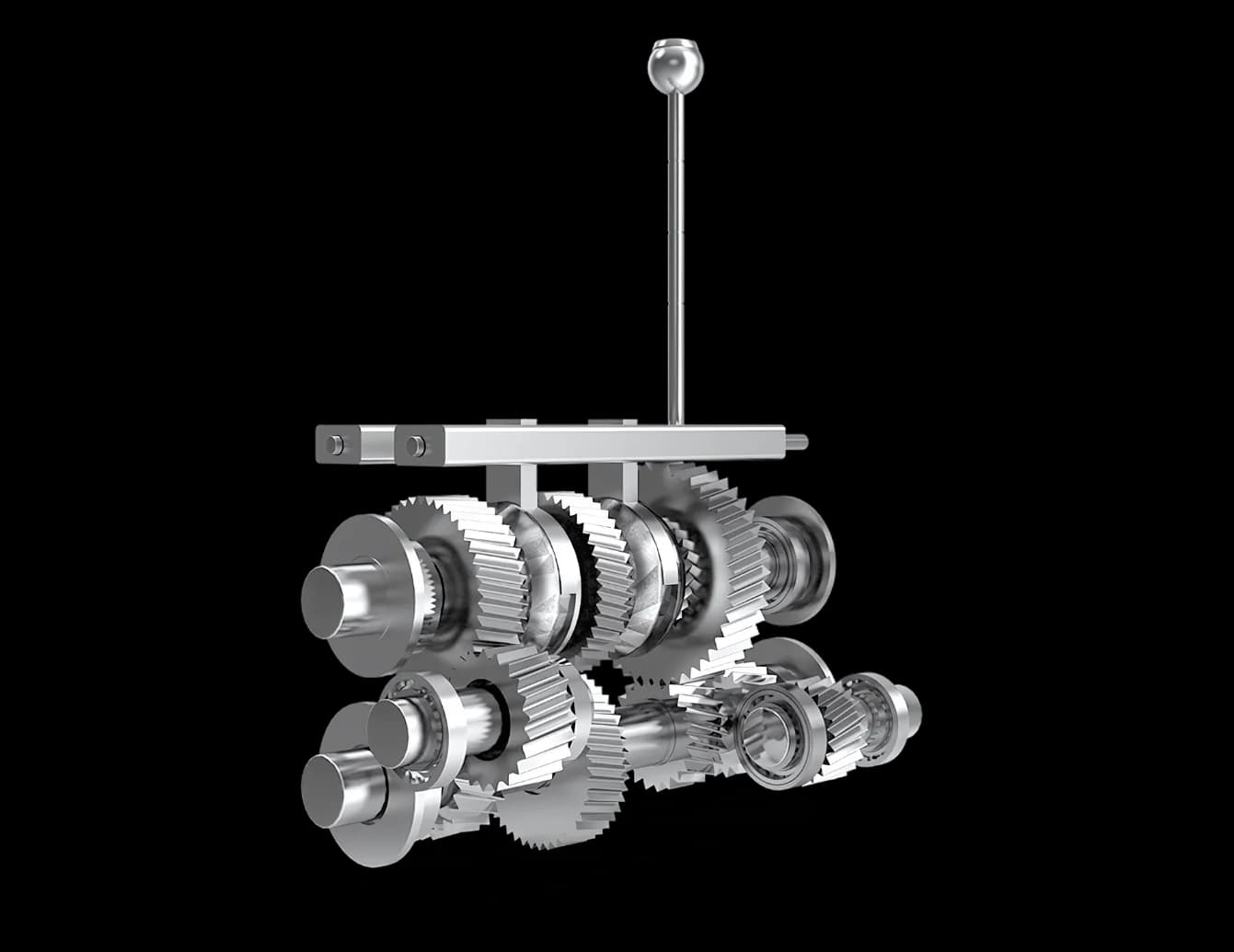

Gearbox & Transmission
Automatic and manual transmission repair, servicing and rebuilds.
Learn more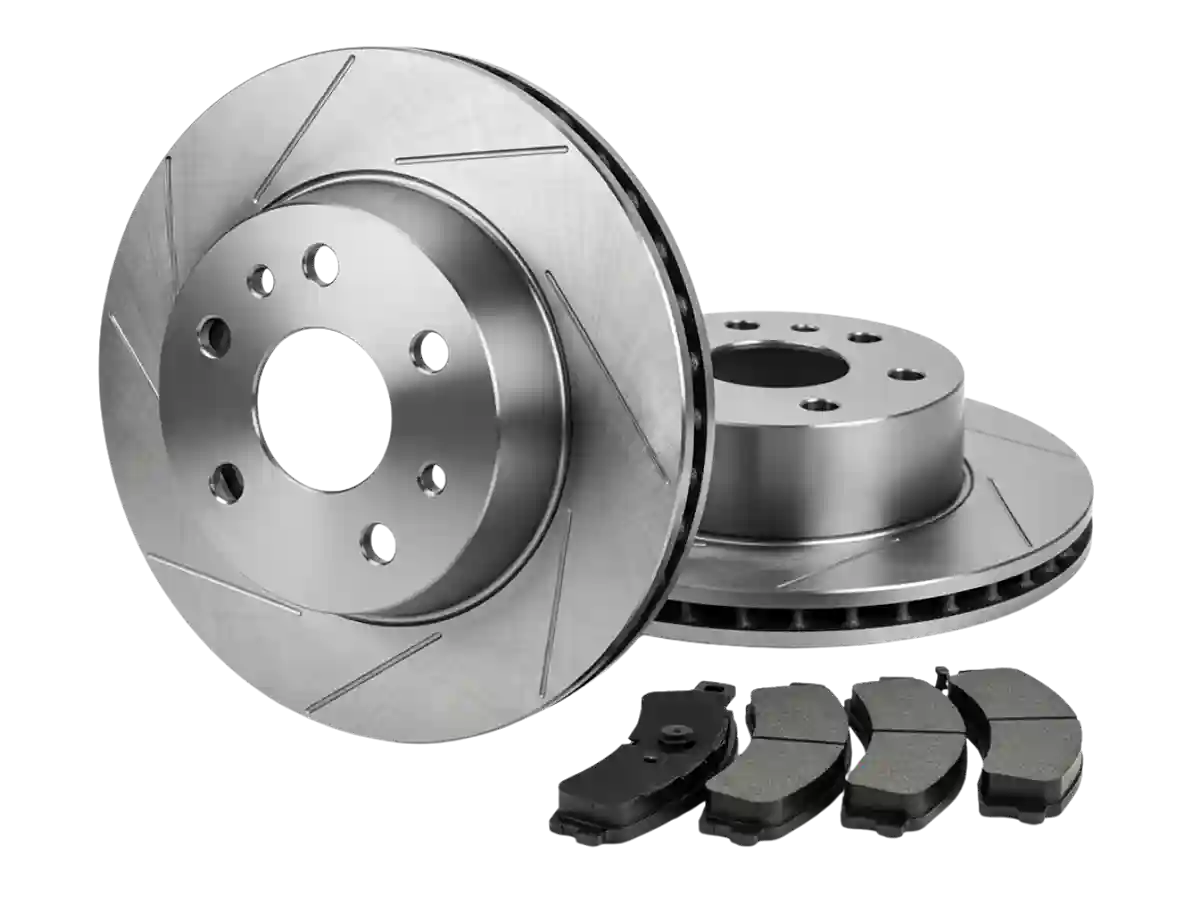

Brake Services
Brake pads, discs and full braking-system inspection & repair.
Learn more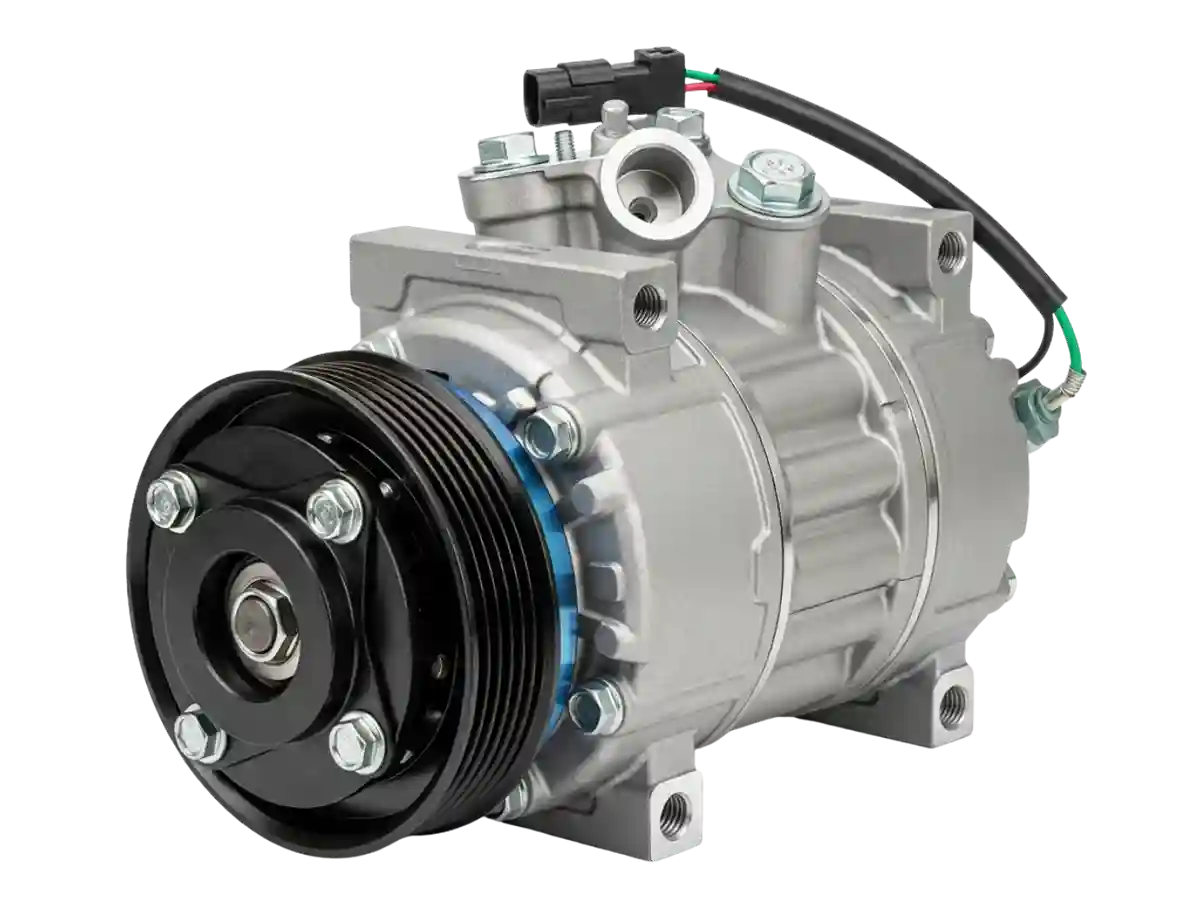

Car AC Repair
AC gas top-up, compressor and cooling-system repairs.
Learn more

Electrical Repair
Auto-electrical fault finding, wiring, battery and ECU work.
Learn more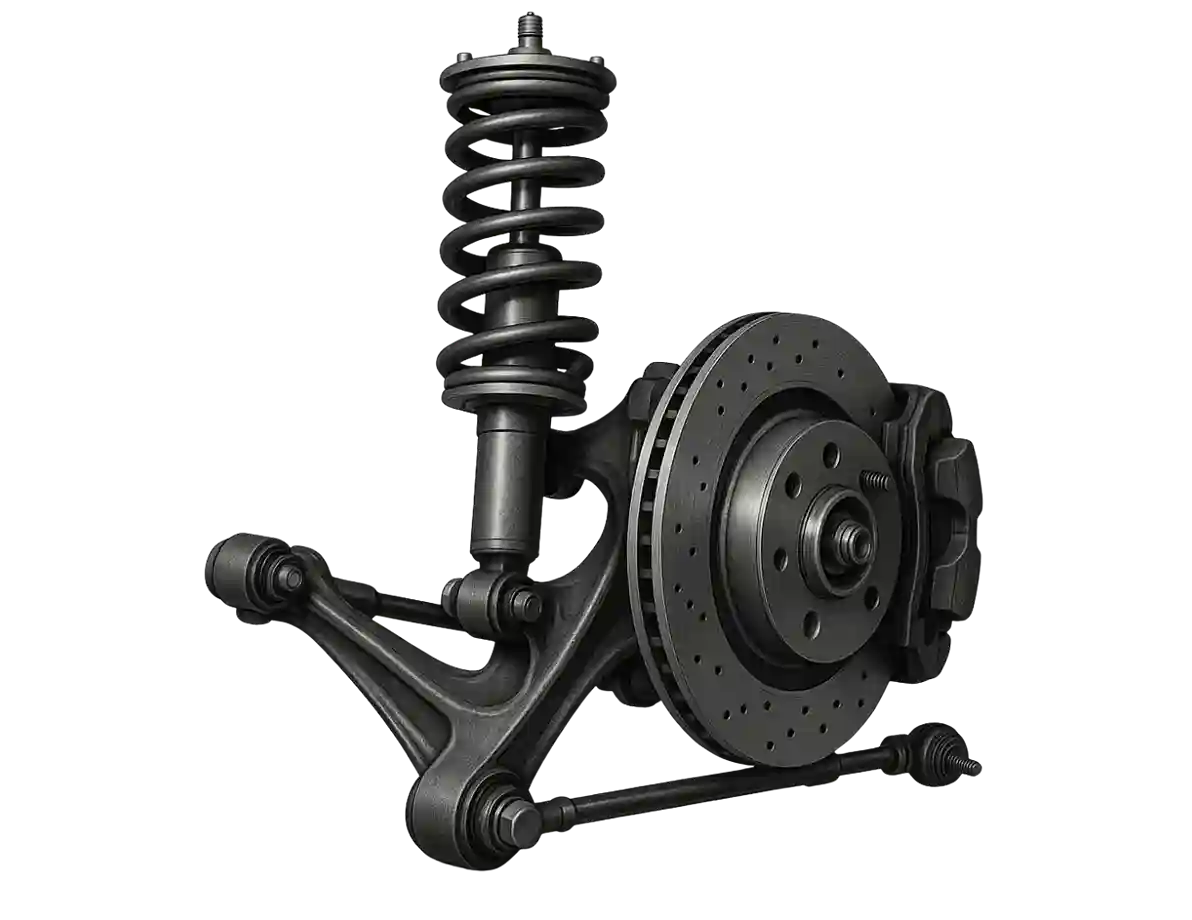

Suspension Repair
Shock absorbers, struts, control arms and full suspension overhaul.
Learn more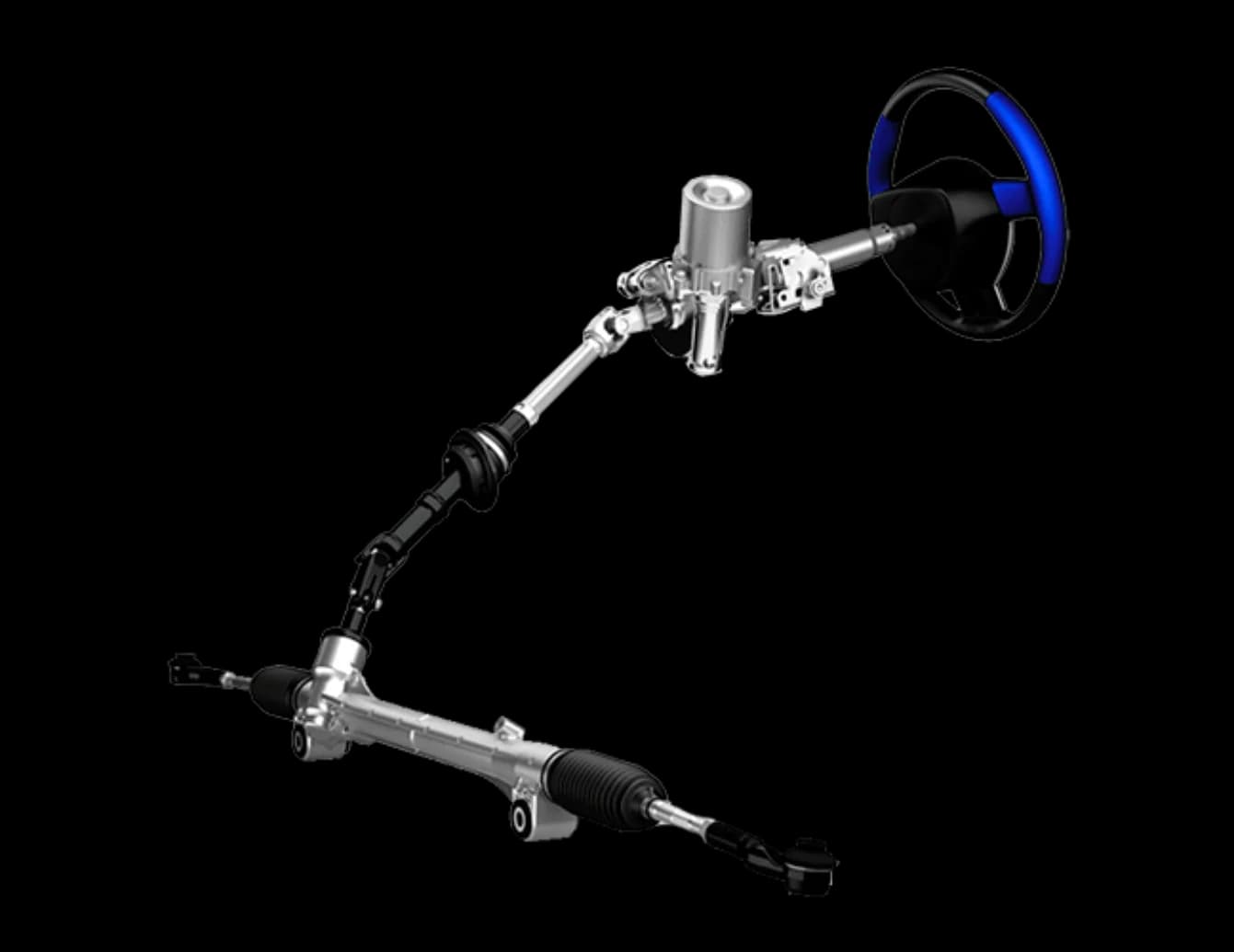

Steering Repair
Steering rack, power steering and precise wheel-alignment corrections.
Learn more
50+ More Services
Detailing, tinting, bodywork, recovery & more.
Brands We Serve
Offering a full range of services, state-of-the-art equipment and years of experience, we promise the finest care for your vehicle.

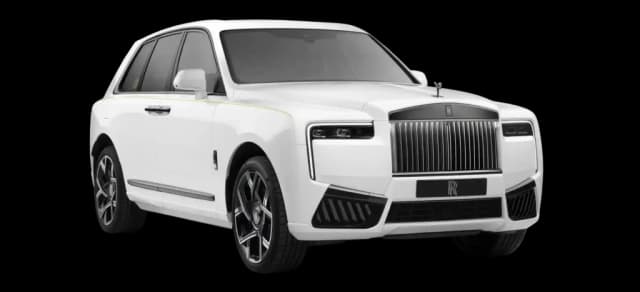
Rolls Royce

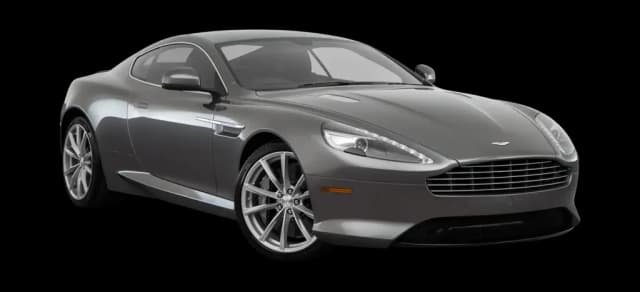
Aston Martin

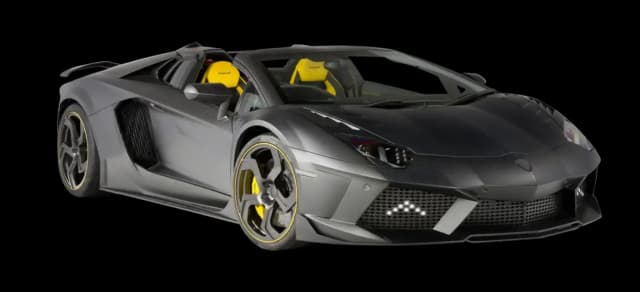
Lamborghini

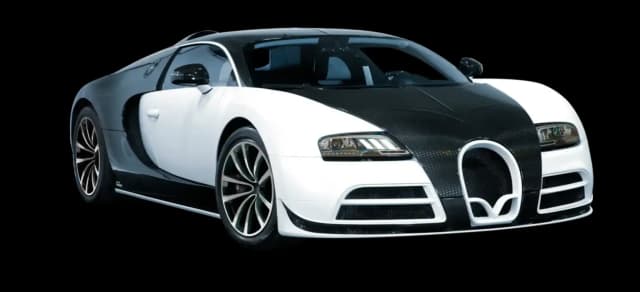
Bugatti

BMW


Bentley
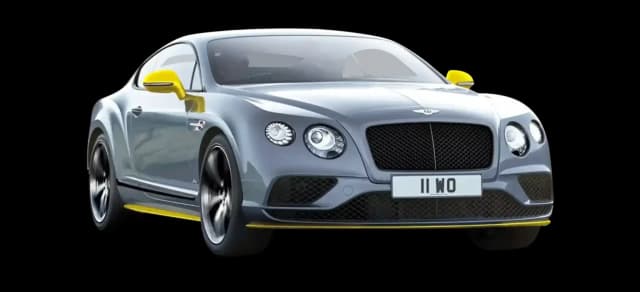

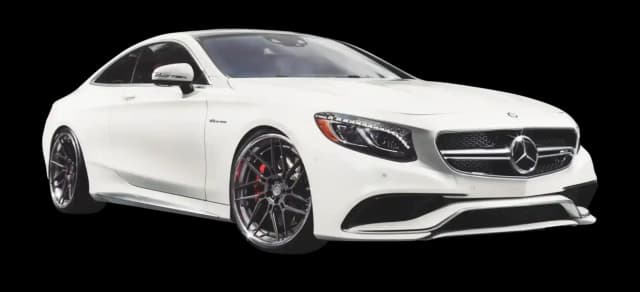
Mercedes

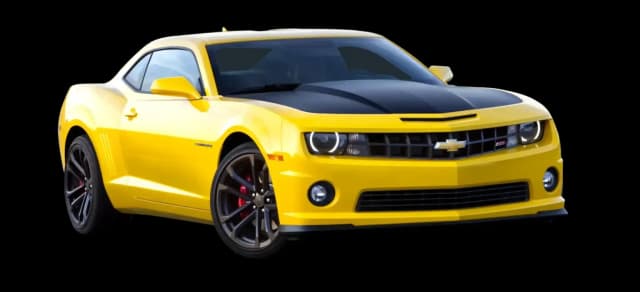
Chevrolet

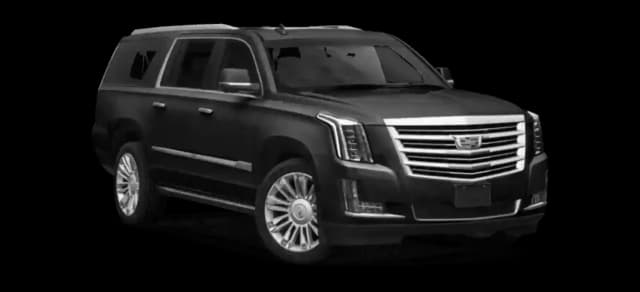
Cadillac

Porsche


Lexus
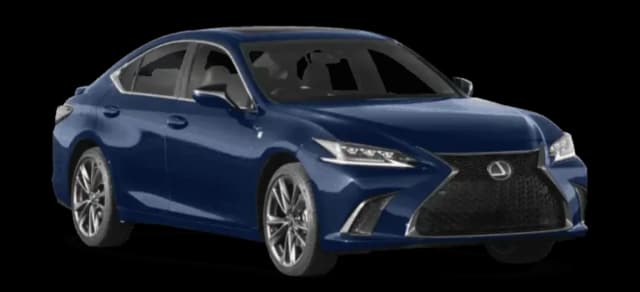

Ferrari

Recent Jobs from Our Workshop
A look at the vehicles our team has serviced, repaired and restored to showroom condition.


Frequently Asked Questions
Everything you need to know before booking your car in. Still have a question? We're happy to help.
Yes. We collect your vehicle from anywhere in Abu Dhabi and return it once servicing is complete — completely free of charge.
Absolutely. Every repair and service we carry out is backed by a workmanship warranty, so you can drive away with total peace of mind.
We service 25+ brands — from everyday vehicles to luxury marques like Mercedes, BMW, Porsche, Rolls-Royce, Ferrari and Lamborghini.
Simply call or WhatsApp us and we'll provide an instant, transparent quote with no hidden charges before any work begins.
Yes. We use genuine and OEM-grade parts to protect the quality, safety and long-term performance of your vehicle.
We're in the Musaffah Industrial Area (M9), Abu Dhabi. You'll find a map with directions in the contact section below.
We're open every day, Monday to Sunday, from 9:00 AM to 9:00 PM.
Book Your Car In Today
Call, message or visit our Musaffah workshop. We'll give you an honest, instant quote — and can collect your car for free.
Our Workshop
Near 21, As Salami 8 St
Musaffah Industrial Area — M9
Abu Dhabi, United Arab Emirates