
How Long Does a Car Service Take?
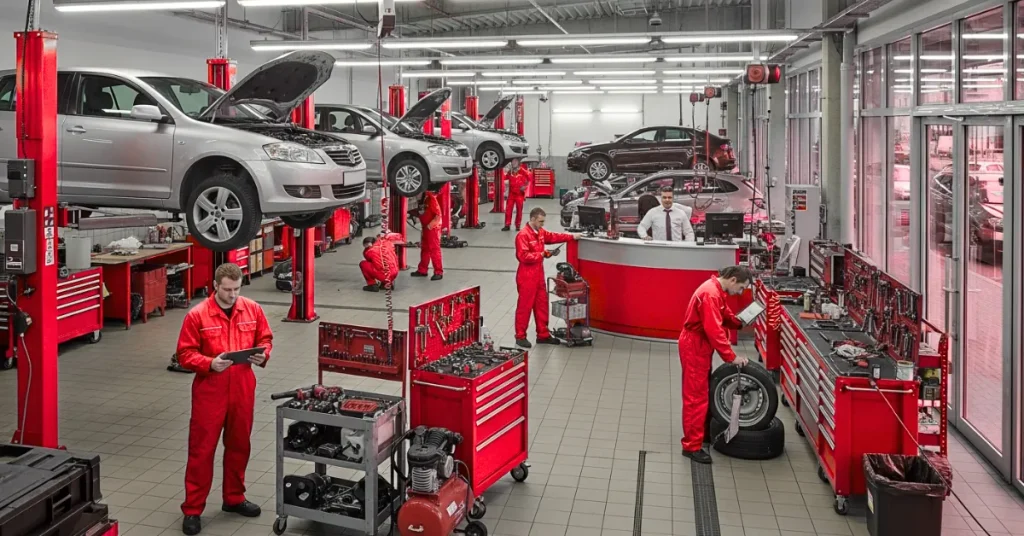
A professional car service usually takes about 1.5 to 5 hours, depending on your car’s condition and the type of work needed. The time mainly depends on whether you’re getting a simple oil change or a full inspection with detailed checks and repairs.
Most workshops try to finish the job in around 2 hours, but it can take longer if extra issues are found or the workshop is busy. Knowing this helps you plan your day better and avoid any inconvenience.
What Factors Affect Car Service Time?
Several key factors determine how long your vehicle stays in the workshop. While a standard appointment is usually predictable, the following variables can quickly change the timeline:
- Service Type: A basic oil change is much faster than a full logbook service that requires checking spark plugs, fuel filters, and suspension components.
- Vehicle Condition: If your car hasn’t been serviced regularly, technicians often find hidden issues like worn brake pads or leaking seals that require immediate attention.
- Part Availability: If a specific component needs replacing and isn’t in stock, the wait for a delivery from a central warehouse can add hours to the process.
- Workshop Traffic: Dropping your car off during peak times, such as Monday mornings or right before a long holiday weekend, can lead to longer wait times due to a high volume of vehicles.
- Technological Complexity: Modern cars with advanced driver-assistance systems (ADAS) or hybrid batteries require specialized diagnostic scans that take longer than mechanical checks on older models.
Types of Car Services and Their Duration
The time your vehicle spends in the workshop depends largely on the specific service package you choose. Here is a breakdown of the most common service types and how long they typically take:
Interim Service (Minor Service)
Taking approximately 1.5 to 2 hours, this is a routine check-up usually performed every 6 months or 10,000 km. It focuses on an oil and filter change, along with a visual inspection of the brakes, tyres, and fluid levels.
Full Service (Major Service)
This comprehensive maintenance takes 3 to 5 hours. It includes everything in an interim service plus a deep dive into the engine. Technicians replace air and fuel filters, check spark plugs, and inspect the suspension and cooling systems thoroughly.
Major Logbook Service
Often required every two years or 40,000 km, this can take up to a full day. It involves replacing specific heavy-duty components like timing belts or transmission fluids as per the manufacturer’s strict guidelines.
Express or Quick Service
Designed for busy drivers, this focuses solely on an oil and filter change. With a streamlined workflow, these are often completed in 60 to 90 minutes.
Specialized Diagnostic Service
If your dashboard shows a warning light, a diagnostic service may take 1 to 2 hours just for the electronic scan and fault finding, before any actual repair work begins.
Why Some Services Take Longer Than Expected?
Sometimes a car service takes longer than expected because every vehicle has different needs, conditions and hidden issues. Here is why the timing can change:
Vehicle Age and Condition
Older cars often have rusty bolts or fragile parts that are harder to remove. Technicians must work more slowly and carefully on high-mileage vehicles to avoid breaking aged components during a routine check.
Modern Engine Diagnostics
Most cars today are controlled by computers that require a full electronic scan. Checking for hidden fault codes and updating software takes extra time, especially if the system identifies an electrical issue that needs tracing.
Luxury vs. Economy Design
Economy cars are built for quick and easy maintenance with accessible parts. Luxury or sports cars often have complex engine layouts with protective covers that must be removed to reach the oil filter, adding more labor hours.
Availability of Spare Parts
If a technician finds a worn part that needs replacing, the service stops until that part is ready. If the workshop doesn’t have it in stock, waiting for a delivery from a warehouse can turn a short job into a much longer wait.
Technical Deep-Dive: What Happens During Those Service Hours?
To understand where the time goes, here is a simple breakdown of the work: this will help you see which steps take more time and why some services are quicker than others.
- Fluid & Filter Changes: Technicians drain old engine oil and replace filters to keep the engine running smoothly. They also check and top up coolant, brake fluid, and steering levels.
- Brake & Safety Checks: Mechanics measure the thickness of your brake pads and rotors. If parts are worn out, they spend extra time replacing them to ensure your car stops safely.
- Computer Diagnostic Scans: Modern cars are plugged into a scanner to find hidden electrical faults or update software. This identifies issues that a simple visual check might miss.
- Final Road Test: Before giving you the keys, a technician drives the car for 10 minutes. This is a final check to listen for odd noises and make sure the steering feels right.
5 Common Factors That Cause Unexpected Workshop Delays
Even with a scheduled appointment, certain factors can push back your car’s completion time. Here is why those delays happen:
Unexpected Fault Discovery
Once a technician begins work, they might find a hidden issue, like a leaking hose or worn suspension bush, that wasn’t visible during the initial check. These surprise repairs require extra labor and time to ensure the car is safe to drive.
Parts Unavailability
If a specific spare part is not in the workshop’s immediate inventory, the team must wait for a delivery. Depending on the supplier’s location and traffic, waiting for a simple sensor or belt can add several hours to the job.
Complex Electrical Troubleshooting
Modern cars are filled with miles of wiring and numerous sensors. If a computer scan reveals a complicated electrical fault, finding the exact broken wire or malfunctioning module takes significant time and specialized diagnostic tools.
Stuck or Damaged Components
In older vehicles, rusted bolts or seized parts are very common. Technicians often need to use heat, specialized lubricants, or extra force to remove these components without causing further damage to the surrounding area.
Workshop Volume and Workflow
Automotive repair is unpredictable. If an earlier job in the queue becomes unexpectedly complex or more cars arrive at once, it can create a bottleneck that shifts the entire schedule for every vehicle in the workshop.
Seasonal Maintenance: Does the Weather Affect Service Time?
The environment plays a huge role in how a car wears down. Different weather conditions can increase wear and tear, which may also extend the time needed for proper servicing.
Preparing for Extreme Heat: Cooling System Stress Tests
In hot climates, the cooling system is the first thing to fail. A summer service requires extra time to pressure-test the radiator and check AC refrigerant levels to ensure the car won’t overheat.
Winter Readiness: Battery and Electrical Integrity Checks
Cold weather is the enemy of batteries. A winter-ready service focuses on “load testing” the battery to ensure it has enough cranking power for cold starts, which is a specialized diagnostic step.
Conclusion
In 2026, a car service remains a vital investment in your safety and the car’s resale value. While most services wrap up within a few hours, being prepared for a half-day stay is the smartest way to manage your schedule. By choosing the right service type and booking strategically, you can ensure your vehicle stays in peak condition with minimal disruption to your life.