
5 Reasons Why Car Service Is Important
A car may continue to run even when it needs maintenance, which is why some problems are easy to miss. Regular servicing helps keep important parts in good condition and gives you a chance to find small faults before they become expensive repairs.
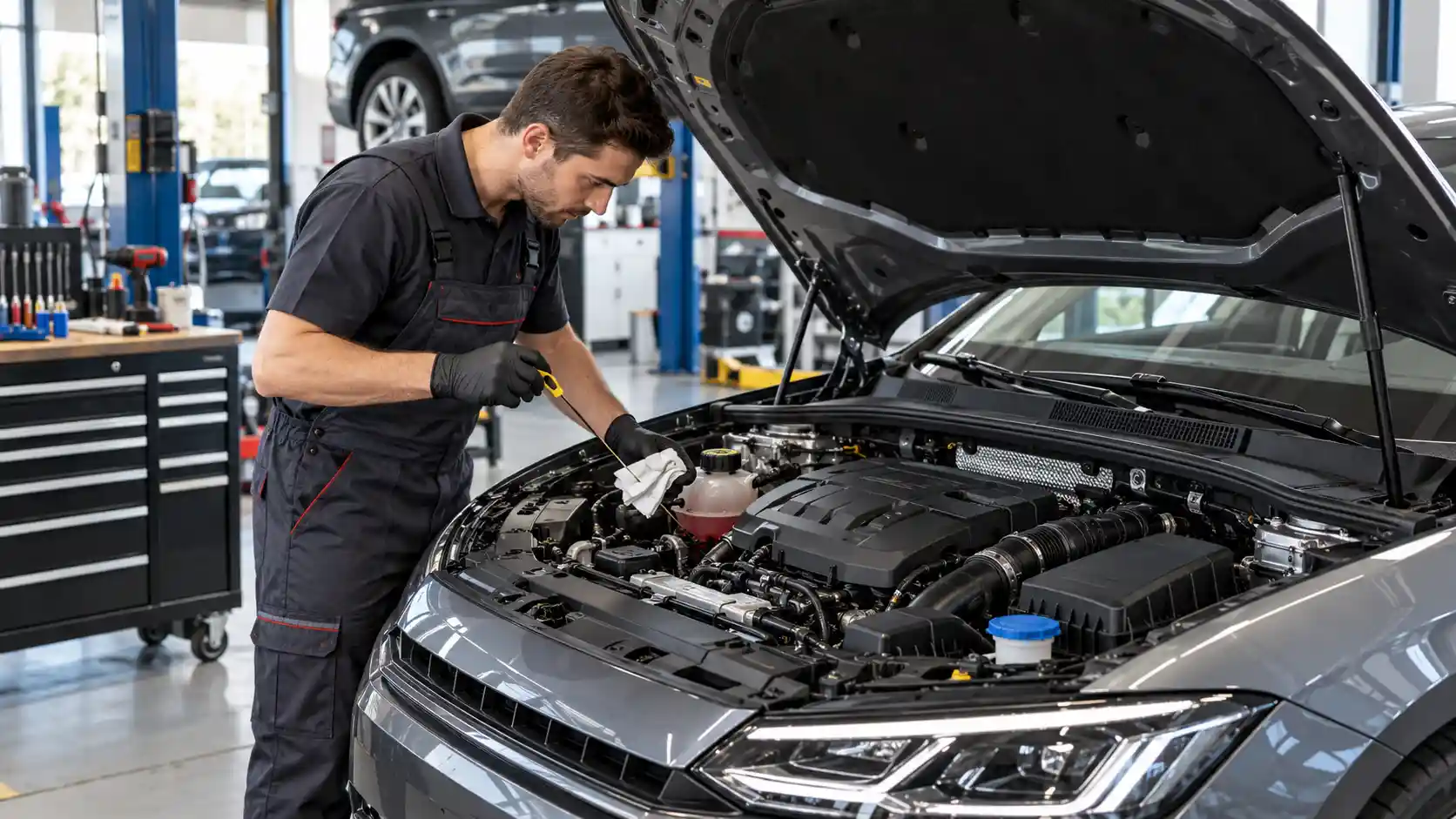
Car service is important because it supports safety, improves reliability, protects the engine and other major systems, and can help maintain the car's value.
For drivers in Abu Dhabi, regular service is even more useful because high temperatures, traffic, dust, and long road trips can place extra stress on a car.
What Does a Car Service Include?
A car service is a planned inspection and maintenance check for different parts of the car. The exact work depends on the vehicle's age, mileage, model, and service schedule. A basic service may include an engine oil and oil filter change, fluid checks, tyre inspection, brake inspection, battery testing, and visual checks of belts and hoses.
A major service can include more detailed inspections and replacement of parts based on mileage. Modern cars may also need electronic diagnostics to check stored fault codes and warning messages.
5 Main Reasons Why Car Service Is Important
Regular servicing is not only about changing engine oil. It helps you understand the condition of the car and gives technicians a chance to find worn or damaged parts. The following five reasons explain why scheduled maintenance should be part of your normal car ownership routine.
1. Car Service Improves Driving Safety
Your car depends on several systems to keep you safe on the road. Brakes, tyres, steering, suspension, lights, seat belts, and electronic safety systems all need to work correctly. During a service, these parts can be inspected for wear or damage.
For example, worn brake pads may not always make a clear noise before they need attention. A service can identify reduced brake pad thickness before the problem becomes more serious. Checking tyre pressure and tread can also help maintain proper grip and braking performance.
What Safety Parts Should Be Checked?
A proper inspection should cover brake pads, brake discs, brake fluid, tyres, steering components, suspension parts, lights, wipers, and seat belts. Depending on the car, technicians may check systems such as ABS and electronic stability control using diagnostic equipment.
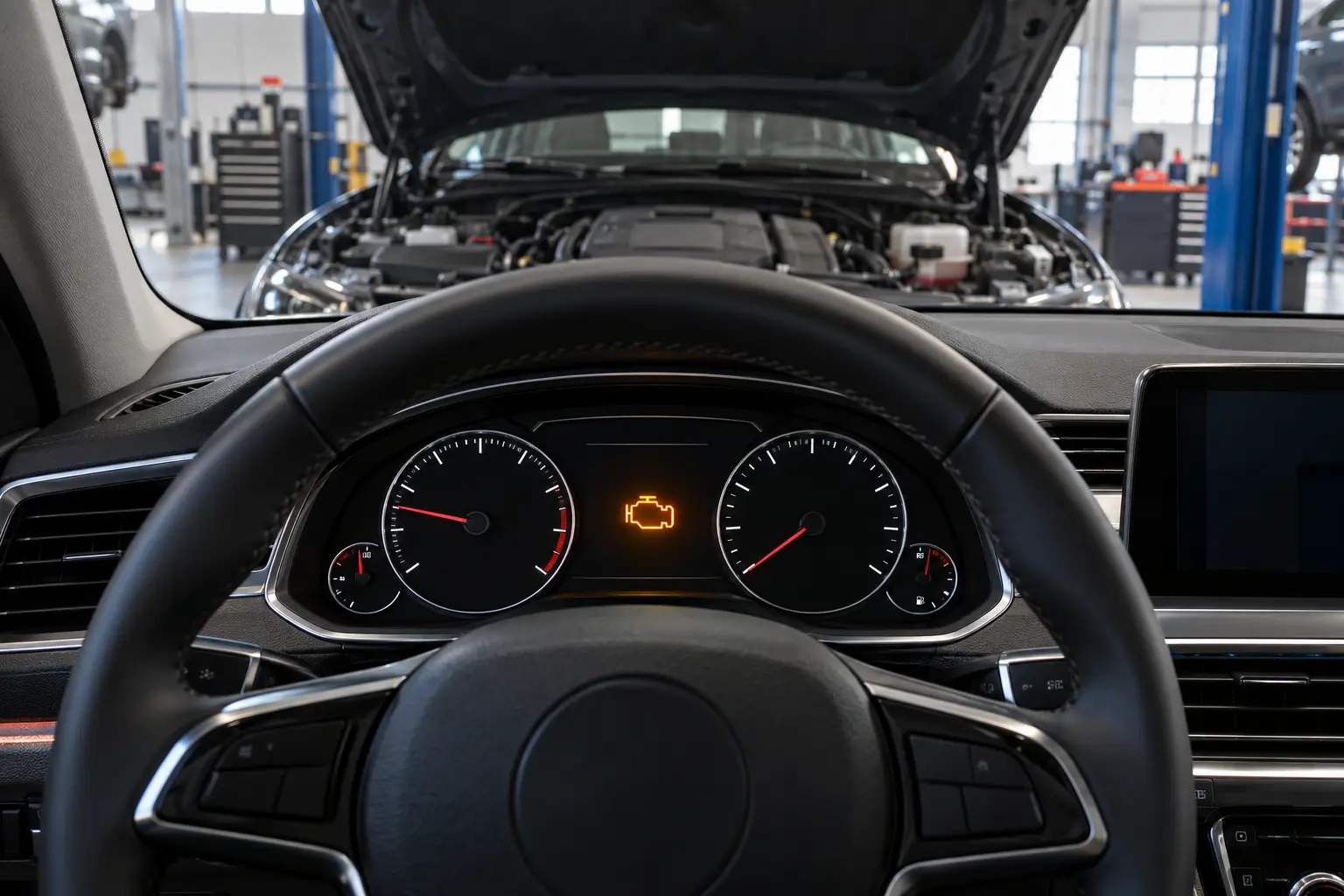
If a warning light is active, it should be investigated instead of simply being reset. Finding a problem early can reduce the chance of a sudden failure while driving through Abu Dhabi traffic or on a long highway trip.
2. Regular Service Helps Prevent Expensive Repairs
Small faults can become large repairs when they are ignored. A minor oil leak, worn belt, weak battery, low coolant level, or damaged hose may seem unimportant at first. If the problem continues, it can affect other parts and increase the final repair bill.
Scheduled maintenance gives a technician the opportunity to find these issues before they cause major damage. Preventive maintenance is usually easier to plan and budget for than an unexpected breakdown that requires several parts to be repaired at once.
How Does Preventive Maintenance Save Money?
Think of servicing as an early warning system for your car. Replacing a worn belt or filter is normally simpler than dealing with damage caused by a failed belt. Keeping the cooling system in good condition can also help reduce the risk of overheating and engine damage.
Regular oil changes help maintain proper lubrication and reduce the build-up of contaminants. Following the manufacturer's maintenance schedule can therefore help control long-term repair costs and reduce unexpected workshop visits.
3. Car Service Keeps the Engine Running Properly
The engine has many moving parts that depend on clean oil, correct temperatures, proper airflow, and accurate fuel delivery. Engine oil loses some of its protective properties over time and becomes contaminated with particles and combustion by-products.
Oil filters also collect contaminants and eventually need replacement. Other components, such as spark plugs, air filters, fuel injectors, ignition coils, and cooling system parts, can affect engine performance.
What Engine Checks Are Important?
Engine servicing may include checking oil level and condition, replacing the oil filter, inspecting coolant, checking the air filter, and examining belts and hoses. Depending on the mileage, spark plugs may need replacement.
A diagnostic scan can help identify problems with sensors, ignition, fuel delivery, or emissions systems. If the engine is rough, losing power, using more fuel than usual, or producing unusual smoke or noise, it should be inspected rather than waiting for the next scheduled service.
4. Regular Maintenance Can Improve Fuel Efficiency
Fuel use can increase when a car is not maintained properly. Underinflated tyres create more rolling resistance, while a dirty air filter can restrict airflow to the engine. Faulty spark plugs, fuel system problems, incorrect wheel alignment, and certain engine faults can also affect fuel consumption.
Regular servicing does not guarantee a specific fuel saving, but keeping the car's major systems in good working order helps it operate as intended. This is especially useful for drivers who spend many hours on busy roads or make frequent long-distance trips.
Which Problems Can Increase Fuel Use?
Start with simple checks such as tyre pressure and wheel alignment. Then look at engine maintenance items such as the air filter, spark plugs, fuel system, and engine oil. A check engine light should never be ignored because some faults can affect the fuel mixture or ignition system.
Carrying unnecessary weight and using aggressive acceleration can also increase fuel use. A well-maintained car combined with smooth driving habits can help reduce unnecessary fuel consumption.
5. Car Service Helps Maintain Vehicle Value
A well-maintained car is generally easier to sell because buyers want confidence that the vehicle has been looked after. Service records can provide useful proof that important maintenance was completed at the correct mileage.
These records may include oil changes, brake work, tyre replacement, battery replacement, major services, and other repairs. Skipping maintenance can lead to worn components and poor overall condition, which may affect how buyers view the car. Keeping service documents also makes it easier to understand what work has already been completed.
How Can You Protect Your Car's Value?
Keep invoices, service records, inspection reports, and major repair documents in one place. Follow the recommended service intervals and use parts and fluids that meet the vehicle manufacturer's specifications.
Deal with warning lights and unusual symptoms instead of postponing repairs. Cosmetic care also matters, but mechanical condition should remain a priority. A clear maintenance history can give future buyers more information about how the car was cared for during your ownership.
What Happens If You Skip Car Servicing?
Skipping one service does not always cause immediate damage, but repeated delays can allow wear and faults to build up. Engine oil can become contaminated, filters can become restricted, brake components can wear further, and fluids can become low or degraded. Some problems may remain hidden until a warning light appears or the car develops a noticeable symptom.
The risk also depends on the car, its mileage, driving conditions, and the type of service that was missed. A vehicle used for frequent short trips and heavy traffic may need different attention from one used mainly for longer highway journeys.
How Often Should a Car Be Serviced?
The correct service interval depends on the vehicle manufacturer and the car's mileage or time since the previous service. Some cars use fixed mileage intervals, while others have service monitoring systems that calculate when maintenance is needed. The owner's manual is the best source for the recommended schedule.
Common maintenance items include engine oil, oil filters, air filters, cabin filters, brake fluid, coolant, spark plugs, and other components at different intervals. If you buy a used car and do not know its service history, a full inspection can help establish what needs attention.
Major Service vs Minor Service
A minor service normally covers routine maintenance and basic inspections, while a major service includes more detailed checks and additional replacement items based on mileage. The exact list varies between car brands and models.
| Minor Service | Major Service |
|---|---|
| Engine oil replacement | Engine oil and filter replacement |
| Oil filter replacement | Detailed engine inspection |
| Fluid level checks | More extensive fluid checks |
| Tyre inspection | Brake system inspection |
| Basic brake check | Suspension and steering inspection |
| Battery check | Spark plug replacement when due |
| Basic visual inspection | Air and cabin filter replacement when due |
| Service reset | Detailed diagnostic checks where needed |
A major service should not simply mean replacing every available part. Maintenance should be based on the manufacturer's schedule and the actual condition of the vehicle.
Signs Your Car May Need a Service
Your car may provide signs when maintenance is overdue or a component needs attention. Some symptoms are easy to notice, while others appear slowly. Changes in the way the car starts, stops, accelerates, or handles should be taken seriously.
Watch for signs such as:
- Difficulty starting the engine
- Unusual engine or brake noises
- Reduced acceleration
- Increased fuel consumption
- Vibrations while driving
- Pulling to one side
- Weak or soft brakes
- Overheating
- Fluid leaks under the car
- Dashboard warning lights
- Poor air conditioning performance
These symptoms do not always identify the exact fault. A proper inspection is needed to find the cause.
Final Thoughts
Regular servicing helps keep your car safe, reliable, efficient, and in better condition for longer. It allows technicians to inspect important systems, replace maintenance items on time, find developing faults, and reduce the chance of unexpected breakdowns. It can also help protect the car's resale value by keeping a clear maintenance history.
For Abu Dhabi drivers, routine checks are especially useful because heat, dust, traffic, and long drives can place additional stress on a car. Following the correct service schedule and responding quickly to warning signs can save time and reduce the risk of major repairs.
If your car is due for maintenance or you have noticed a warning light, unusual noise, vibration, or performance change, Zenfo Auto Services can provide car maintenance, diagnostics, mechanical repairs, and other car repair services in Abu Dhabi. Get your car checked before a small issue turns into a bigger repair.
Related Services
Related Articles
Need a hand with your car?
Zenfo Auto Services, Mussafah, Abu Dhabi. Free pick-up, honest quotes.