
5 Signs Your Car Needs Engine Repair
Your engine can develop problems long before it stops working completely. Paying attention to changes in engine sound, performance, oil use, and exhaust smoke can help you find a fault early and avoid a much bigger repair.
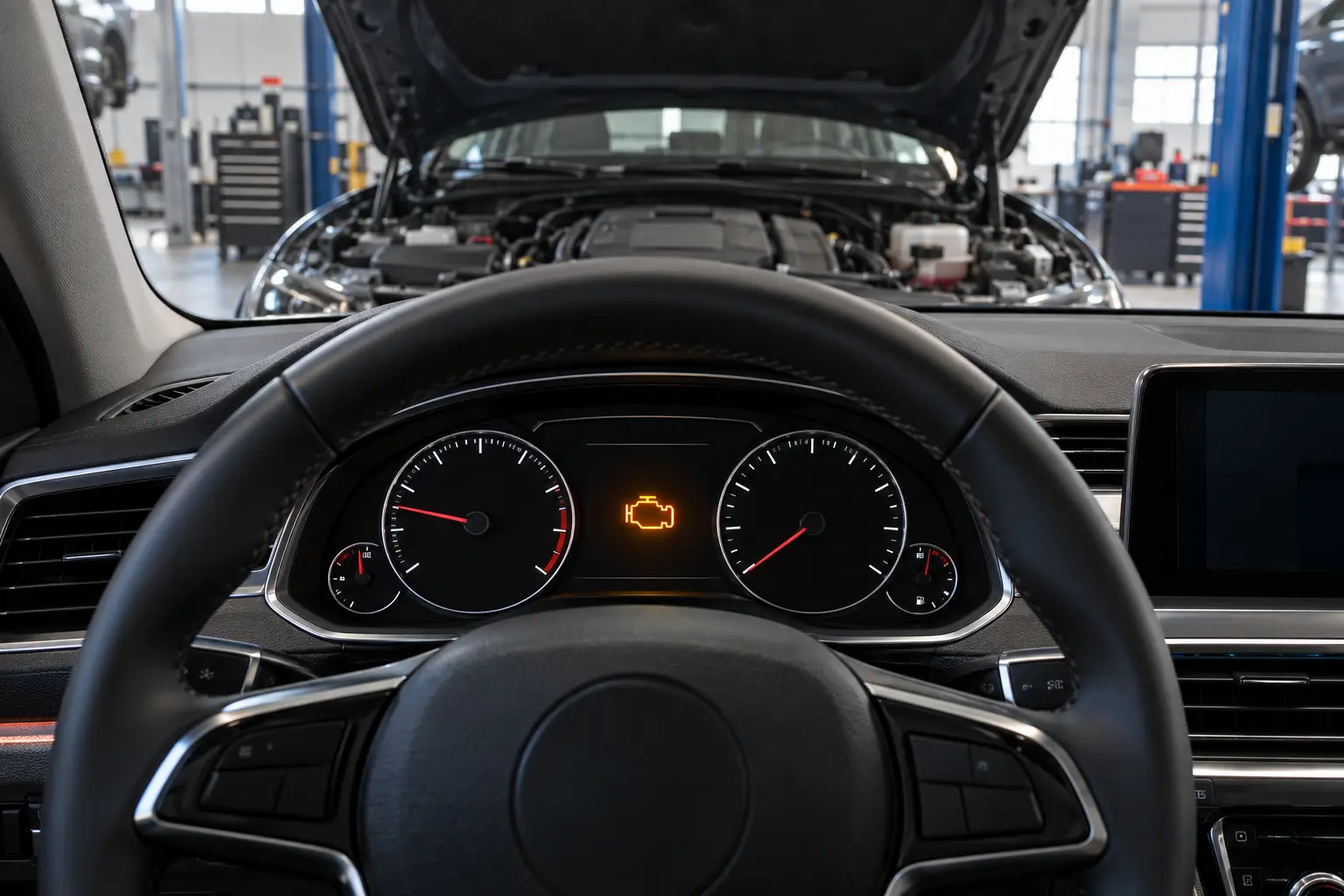
The five main signs that your car may need engine repair are unusual engine noises, loss of power, excessive exhaust smoke, rising oil consumption, and engine overheating. A check engine light, rough idling, poor fuel economy, or difficulty starting can also point to an engine-related fault.
For drivers in Abu Dhabi, early engine checks are especially important. High temperatures, heavy traffic, long drives, and frequent air conditioning use can put extra load on the engine and cooling system. Ignoring a small symptom can allow the problem to become more serious.
Why Engine Problems Should Be Checked Early
The engine has many parts that work together under high temperature and pressure. These include pistons, cylinder walls, crankshaft, camshaft, valves, bearings, spark plugs, fuel injectors, and timing components. A fault in one part can affect other components if it is not repaired.
For example, a small oil leak may seem harmless, but low engine oil can reduce lubrication and increase friction. Similarly, an overheating problem can damage the head gasket or cylinder head. Finding the cause early can make the repair simpler and may prevent major engine damage.
5 Signs Your Car May Need Engine Repair
Engine problems do not always begin with a complete breakdown. Most start with small changes that can become easier to notice over time. The following five signs deserve attention if they appear repeatedly or become worse.
1. Your Engine Makes Unusual Noises
A healthy engine should run with a fairly smooth and consistent sound. New knocking, ticking, tapping, grinding, or rattling noises can indicate a mechanical problem. The location and timing of the noise can provide useful clues.
A knocking sound from inside the engine may be linked to worn bearings, low oil pressure, or internal engine damage. A ticking noise can come from valve train components or low oil level. A rattling sound may be related to a timing chain or another loose component. Not every noise means the engine needs a rebuild, but unusual sounds should be checked.
How to Fix It
Do not try to identify the exact cause only by listening. First check the engine oil level if it is safe to do so. If the oil pressure warning light is on, switch off the engine and arrange an inspection.
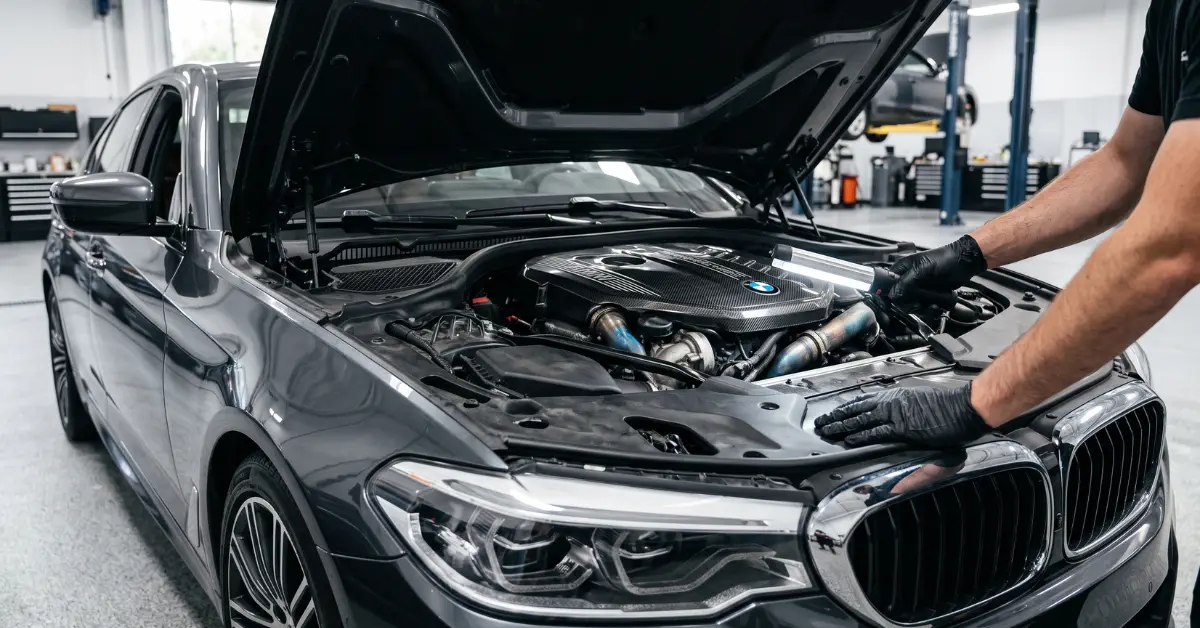
A technician can listen to the engine, check oil pressure, inspect belts and pulleys, and use diagnostic equipment where needed. If internal engine wear is suspected, further testing such as a compression test or leak-down test may be required.
2. Your Car Loses Engine Power
A noticeable loss of power is another common warning sign. The car may feel slower when accelerating, struggle to climb hills, or take longer to reach normal driving speed. In some cases, the engine may enter limp mode to protect itself from further damage.
Several issues can cause poor engine performance. These include blocked air filters, dirty fuel injectors, faulty spark plugs, ignition coil problems, fuel pressure faults, turbocharger problems, or sensor failures. A restricted exhaust system or low compression can also reduce power.
How to Fix It
Start with a proper diagnostic check rather than replacing parts based on symptoms alone. A technician can check stored fault codes, air intake, fuel pressure, ignition components, sensor readings, and engine compression.
If the car has a turbocharger, the boost system and related hoses should also be inspected. Fixing the actual cause is important because continuing to drive with low power can sometimes place extra stress on the engine and other systems.
3. Your Car Produces Excessive Exhaust Smoke
Exhaust smoke can provide useful clues about engine condition. A small amount of vapour during a cold start can be normal, especially when moisture has collected inside the exhaust system. However, thick or persistent smoke should be investigated.
Blue smoke can indicate that the engine is burning oil. White smoke that continues after the engine warms up may point to coolant entering the combustion chamber.
Black smoke can indicate that the engine is receiving too much fuel or not getting enough air. The exact cause depends on the engine type and the conditions when the smoke appears.
How to Fix It
The first step is to identify the colour, amount, and timing of the smoke. A technician may check engine oil, coolant, spark plugs, fuel mixture, turbocharger components, and the cooling system.
If coolant is entering the cylinders, possible causes can include a damaged head gasket, cracked cylinder head, or other internal fault. Blue smoke may require inspection of piston rings, valve seals, or turbo components. Do not ignore heavy smoke because it can indicate a fault that needs prompt attention.
4. Your Engine Uses Too Much Oil
Engine oil naturally gets dirty and needs to be replaced at scheduled intervals, but the oil level should not drop quickly between services. If you need to add oil often, there may be an external leak or the engine may be burning oil internally.
Oil can escape through damaged seals, gaskets, or other components. Internal oil consumption may be linked to worn piston rings, valve seals, or certain turbocharger faults. Oil loss can become dangerous if the level falls low enough to affect oil pressure and lubrication.
How to Fix It
Check the oil level according to the manufacturer's instructions and keep track of how much oil you add between services. Look under the car for signs of an oil leak, but remember that some leaks occur in areas that are difficult to see.
A workshop can inspect the engine for leaks and check for signs of internal oil burning. Additional tests may include a compression test, leak-down test, or inspection of the intake and exhaust system. Use the correct engine oil grade recommended for your car.
5. Your Engine Overheats
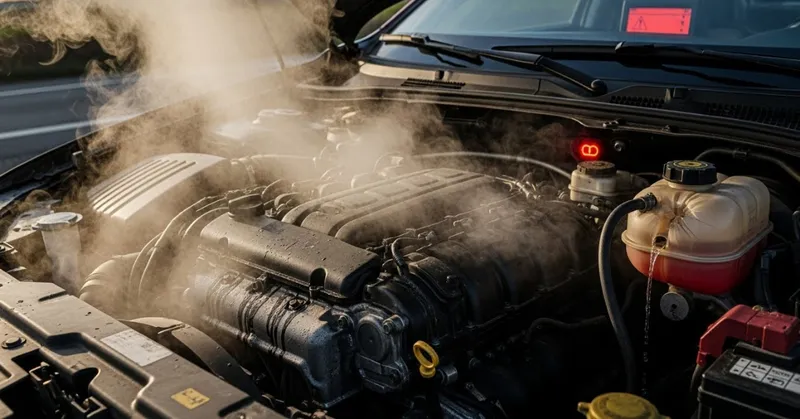
Engine overheating is a serious warning sign that should never be ignored. The cooling system keeps engine temperature within a safe operating range using coolant, a radiator, water pump, thermostat, cooling fans, and related hoses.
Overheating can happen because of low coolant, a leak, a faulty thermostat, a damaged radiator, a failed water pump, a blocked cooling passage, or a cooling fan problem.
A damaged head gasket can also cause overheating. Abu Dhabi's high temperatures can make an existing cooling system problem more difficult for the engine to handle.
How to Fix It
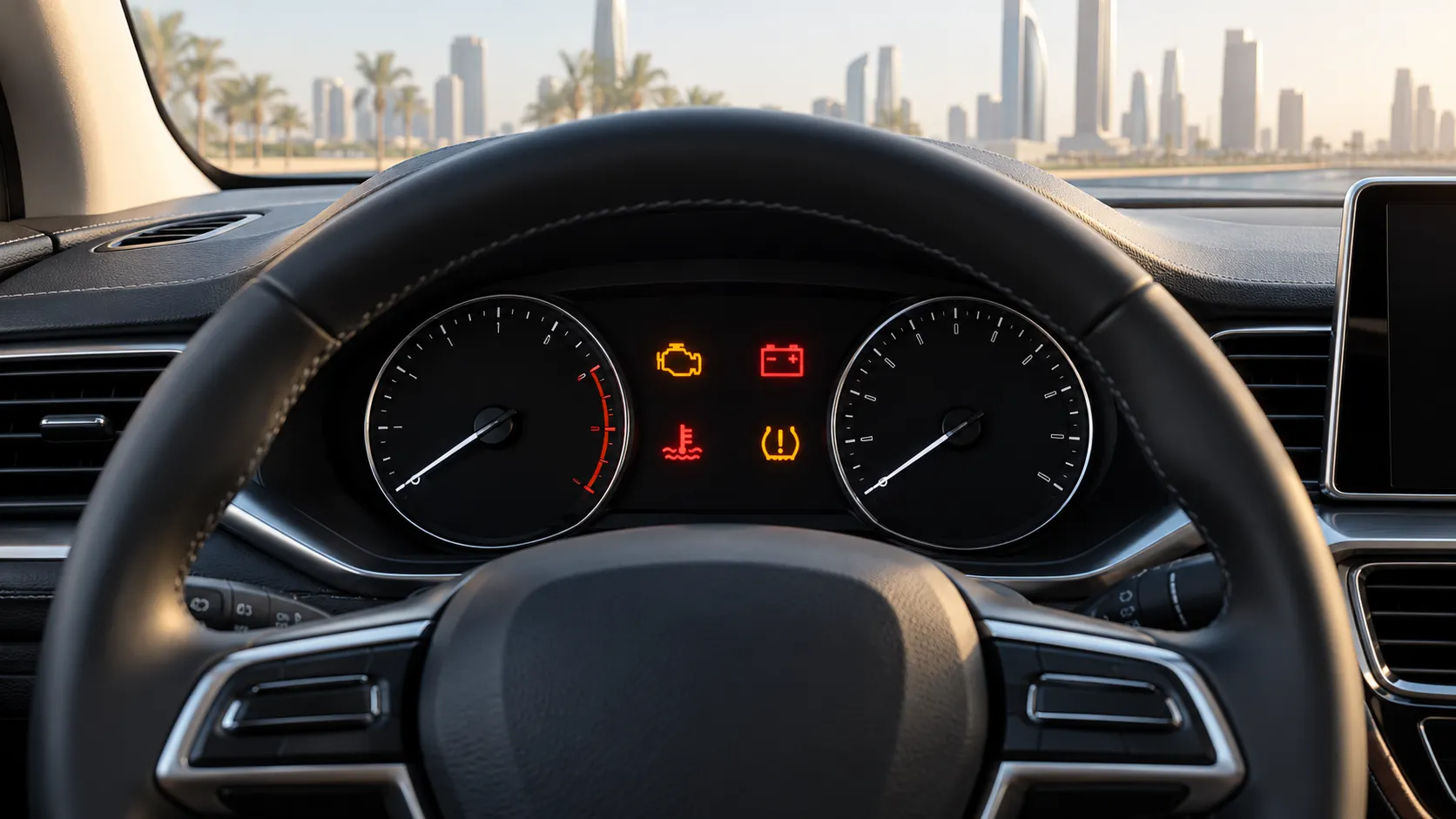
If the temperature gauge enters the hot zone or a red temperature warning appears, safely stop the car and switch off the engine. Do not remove the radiator cap while the engine is hot because pressurised coolant can cause serious burns.
Once the engine has cooled, the coolant level can be checked safely. A technician should inspect the system for leaks and test the thermostat, radiator, water pump, cooling fans, hoses, and pressure system. Continued driving while the engine is overheating can cause severe damage.
Other Warning Signs of Engine Trouble
The five signs above are some of the most important, but an engine can show other symptoms before a major failure occurs. Paying attention to changes in how the car starts and runs can help you get the right diagnosis sooner.
Other signs can include:
- Difficulty starting the engine
- Rough or unstable idling
- Frequent engine misfires
- Increased fuel consumption
- Strong fuel smell
- Check engine light
- Oil pressure warning light
- Unusual vibrations
- Engine stalling
- Reduced acceleration
- Visible oil or coolant leaks
One symptom alone does not always confirm an engine problem. Several faults outside the engine can create similar symptoms, which is why proper testing is important.
What Does a Check Engine Light Mean?
The check engine light is connected to the vehicle's engine management and emissions systems. It can appear because of a simple issue, such as a loose fuel cap, or a more serious problem involving ignition, fuel delivery, sensors, emissions equipment, or engine operation.
A diagnostic scan can read the diagnostic trouble codes stored by the engine control module. However, a code does not always mean that the named component needs replacement. A technician may need to test wiring, electrical signals, airflow, fuel pressure, or mechanical operation before finding the actual cause.
Why Engine Oil Is Important for Engine Health
Engine oil reduces friction between moving components and helps carry heat away from areas inside the engine. It also helps keep internal parts clean by carrying contaminants toward the oil filter.
Using the wrong oil, delaying oil changes, or driving with a low oil level can affect engine lubrication. Over time, poor lubrication can contribute to increased wear on bearings, camshafts, cylinder walls, and other components.
Always follow the manufacturer's recommendation for oil grade and service interval. In Abu Dhabi's hot climate, keeping the oil at the correct level and condition is especially important during long drives and heavy traffic.
Engine Repair vs Engine Replacement
Not every engine problem requires a complete engine replacement. Some faults can be repaired by replacing a specific component, gasket, sensor, cooling part, ignition component, or other damaged part.
More serious internal damage may require an engine rebuild or replacement. The decision depends on the extent of the damage, vehicle age, mileage, repair cost, parts availability, and overall engine condition.
A proper inspection should come before making this decision. A workshop may use compression testing, leak-down testing, oil pressure testing, diagnostic scanning, and visual inspection to understand the engine's condition.
How Regular Maintenance Can Prevent Engine Problems
Regular maintenance can reduce the chance of several common engine faults. Oil and filter changes help maintain lubrication, while coolant checks support temperature control. Air filters should be replaced according to the recommended schedule, and spark plugs should be changed when due.
Regular inspections can also identify leaks, worn belts, damaged hoses, weak batteries, and other issues. Following the manufacturer's maintenance schedule is one of the simplest ways to protect the engine.
For cars used frequently in Abu Dhabi traffic, it is useful to pay extra attention to cooling system condition, engine oil, battery health, and air conditioning load.
When Should You Take Your Car to a Workshop?
Do not wait until the engine stops working before seeking help. If you notice a new noise, repeated warning light, loss of power, smoke, engine overheating, or unusual oil consumption, arrange an inspection.
A qualified technician can identify whether the issue is mechanical, electrical, fuel-related, cooling-related, or linked to another vehicle system. Early diagnosis can prevent unnecessary parts replacement and help you understand the repair needed.
Keeping records of previous repairs and servicing can also help the technician understand the vehicle's history and identify recurring problems.
Final Thoughts
Your car usually gives you warning signs before an engine problem becomes a major failure. Unusual noises, loss of power, excessive exhaust smoke, high oil consumption, and overheating are five signs that deserve prompt attention. Other symptoms, such as rough idling, difficult starting, warning lights, and poor fuel economy, can provide additional clues.
For Abu Dhabi drivers, regular maintenance is especially important because high heat, traffic, and long journeys can place extra stress on engine components. Early diagnosis can help protect the engine and reduce the chance of a much larger repair.
If your car is showing engine warning signs, Zenfo Auto Services can help with engine diagnostics, maintenance, mechanical inspection, and engine repair in Abu Dhabi. Getting the problem checked early can help you avoid further damage and keep your car running reliably.
Related Services
Related Articles
Need a hand with your car?
Zenfo Auto Services, Mussafah, Abu Dhabi. Free pick-up, honest quotes.