
How to Keep the Engine from Overheating
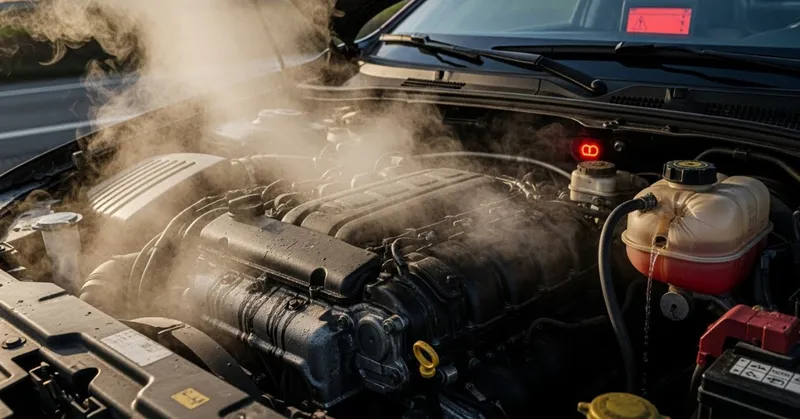
An overheating engine can turn a normal drive into a stressful situation. It can happen in traffic, on long routes, or on hot days when the cooling system is already working hard. Luckily, most overheating problems are easy to prevent with simple checks and timely care.
If you're looking for complete vehicle maintenance, you can always explore expert solutions through Car Auto Services Abu Dhabi, where routine care keeps engines healthy and cool.
Why Engines Overheat
Your engine creates heat every second it runs. The cooling system: radiator, coolant, thermostat, water pump, and fans keep this heat under control. When even one part fails, the engine temperature starts rising.
Common causes include:
- Low coolant
- Leaking hoses
- Weak radiator
- Faulty thermostat
- Old engine oil
- Clogged cooling system
- Heavy driving conditions
Understanding these early signs helps you avoid bigger repairs later.
The Basics You Must Know to Prevent Overheating
1. Keep Your Coolant Level in Check
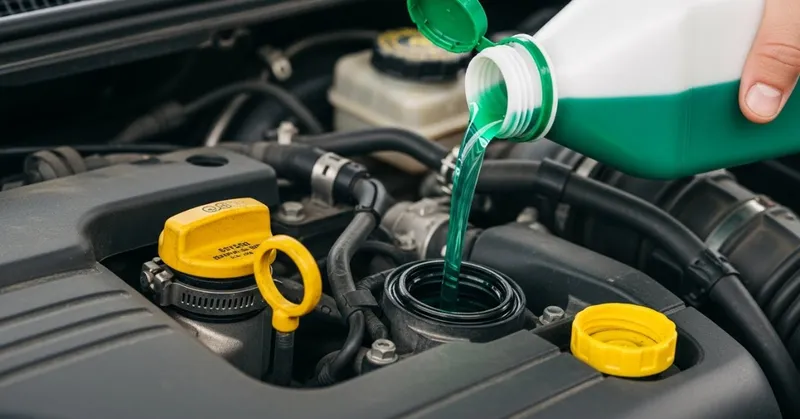
Coolant controls your engine temperature better than anything else. When the level drops, heat rises quickly. Make it a habit to check the coolant reservoir often, especially before long trips.
If you notice the level dropping again and again, a leak may be present. In many cases, the solution comes down to a simple inspection or a radiator repair, especially if the radiator is clogged or corroded.
Keeping the coolant fresh and full is one of the easiest ways to prevent overheating.
2. Change Your Engine Oil Regularly
Oil does more than reduce friction; it also helps cool the engine. Old or low oil makes the engine work harder, which increases heat.
Sticking to a normal oil service schedule keeps the engine running smooth and cooler under load. If you haven’t serviced your car in a while, an oil change is one of the most effective and affordable steps to stop overheating before it starts.
Fresh oil reduces stress, lowers temperature, and improves performance.
3. Keep the Radiator and Hoses Healthy
Your radiator works nonstop. Over time, dirt, rust, or scale can block the coolant flow. Hoses can also become brittle or weak.
Look for:
- Damp spots
- Cracked rubber
- Coolant on the ground
- Temperature spikes
If you notice any of these, your engine might be struggling to circulate coolant. In such cases, getting the cooling system inspected as part of a general engine repair check helps prevent major damage.
Strong hoses and a clean radiator mean better airflow and cooler engine temperatures.
4. Watch the Temperature Gauge
Your dashboard gauge is your early warning system. If it moves close to the red zone:
- Turn off the AC
- Turn on the heater to pull heat away
- Pull over and let the engine cool
Ignoring the gauge can lead to serious engine trouble. Acting early saves both time and money.
5. Make Sure the Cooling Fan and AC Are Working Well
Your cooling fan helps regulate temperature during slow driving or heavy traffic. If it stops working, the engine heats up fast.
Your AC can also load the engine more than you realize. Poor cooling inside and extra stress under the hood often point to AC system issues. When the AC struggles or blows warm air, getting a quick AC inspection check also helps reduce heat around the engine.
Fixing these small issues improves both cabin comfort and engine life.
6. Check the Thermostat and Water Pump
These two parts control coolant flow. If a thermostat gets stuck or the water pump becomes weak, the coolant won’t circulate properly.
Signs include:
- Sudden temperature spikes
- Coolant leaks
- Rattling or whining sounds
- Hot air from vents
Since these parts work together with the entire engine system, mechanics often detect issues during routine inspections. If any mechanical stress is found, a specialist may also look into related components through transmission repair to ensure the system is balanced and functioning smoothly.
7. Replace Dirty Air Filters
A clogged air filter reduces airflow, forcing the engine to work harder. Harder work means more heat.
Replacing the air filter is a quick fix that improves power and keeps temperatures stable, especially in dusty areas.
8. Pay Attention to Warning Lights
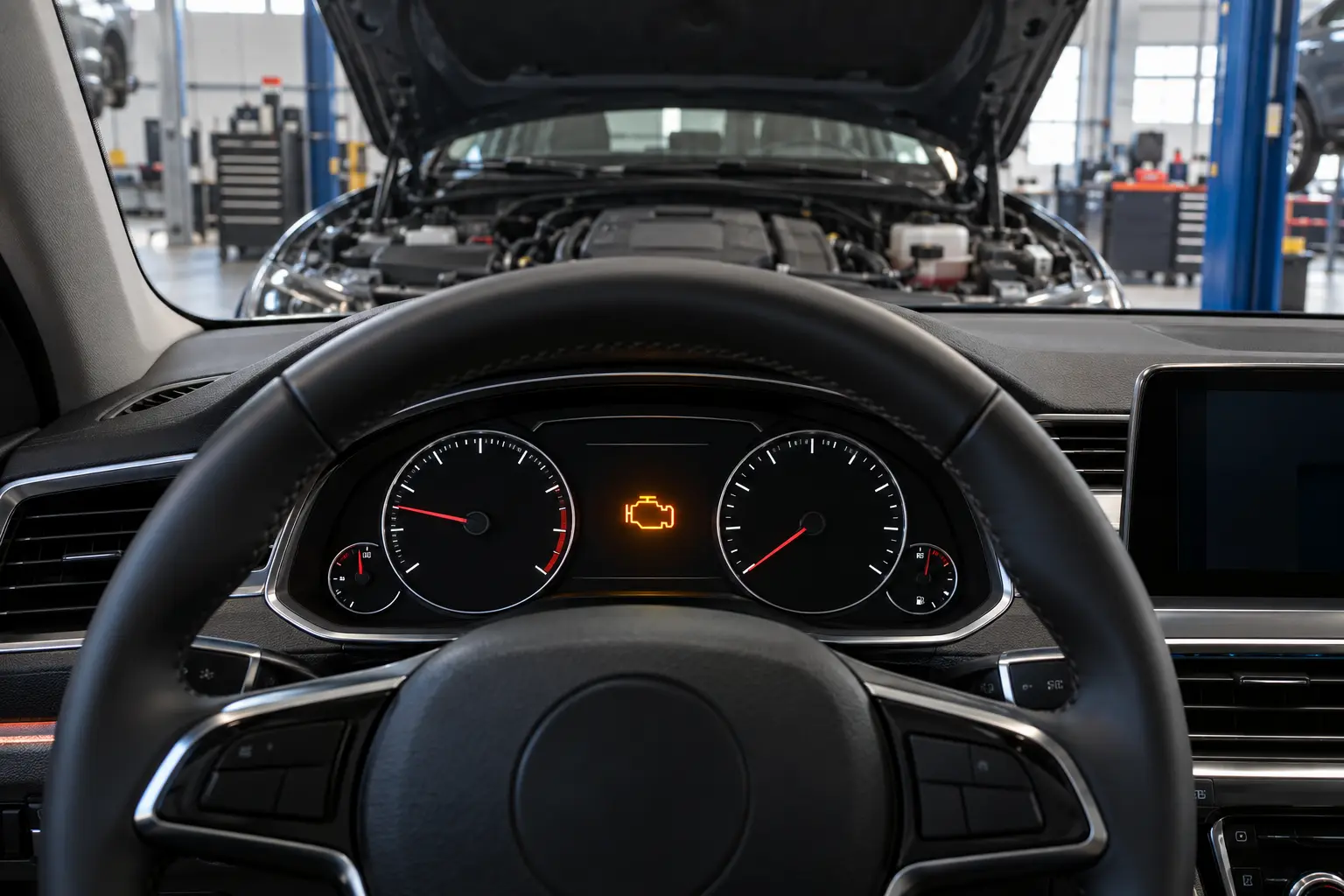
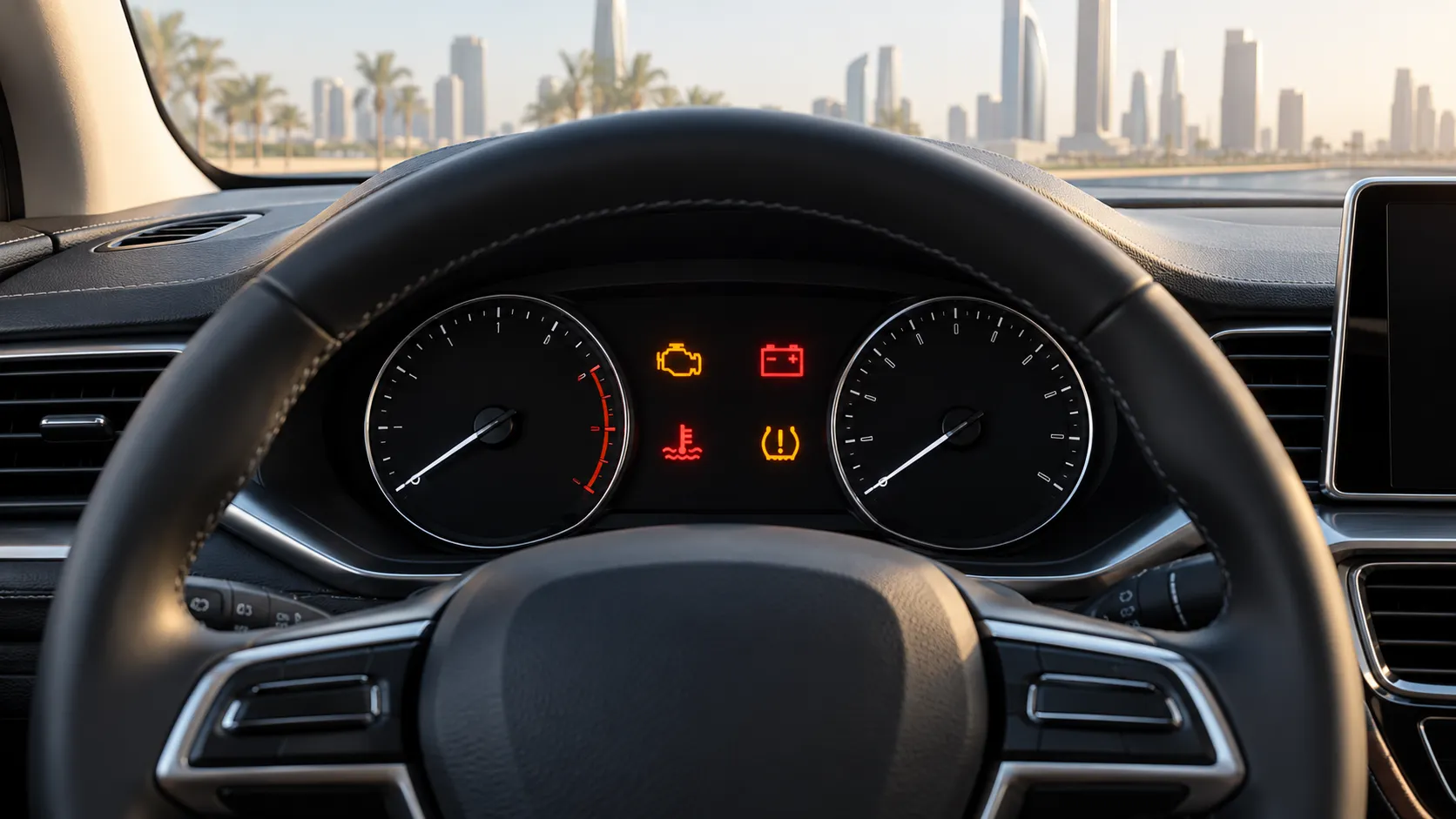
Modern cars use sensors to detect trouble early. If your temperature warning or coolant light comes on, take it seriously.
It could mean:
- Low coolant
- Blocked system
- Faulty sensor
- Low oil pressure
A quick inspection prevents expensive repairs.
9. Keep the Radiator Clean Externally
Even if the inside is clean, the outside can get blocked by sand, insects, and dust. This prevents cool air from reaching the radiator.
A gentle wash helps, but deeper cleaning at a workshop keeps the airflow strong and steady.
10. Replace Worn Spark Plugs
Misfires make the engine work harder and heat up more. Rough idling, weak acceleration, or poor fuel economy may mean the plugs are old. Getting a simple spark plug replacement helps the engine fire properly and stay cooler.
11. Avoid Heavy Loads and Harsh Driving
Towing heavy weights, rapid acceleration, or high-speed driving can push the engine temperature up. Smooth driving keeps the load lighter and the engine cooler. Even short breaks during long trips help lower heat buildup.
12. Service the Cooling System on Time
A coolant flush removes dirt, rust, and old fluid. It also restores proper flow and reduces overheating risk.
During a cooling system service, technicians check:
- Coolant pressure
- Radiator health
- Pump performance
- Thermostat movement
- Hose condition
Most overheating problems can be avoided when the system is flushed and inspected on time.
13. What to Do If the Engine Overheats While Driving
If the engine starts overheating:
- Turn off the AC
- Turn on the heater
- Pull over safely
- Switch off the engine
- Let it cool fully
- Check the coolant level only after cooling
Never open the radiator cap while the engine is hot.
If the problem returns, it's best to get the vehicle inspected professionally. Small issues become big problems when ignored.
Final Thoughts
Engine overheating is preventable when you take simple steps like checking coolant, changing oil, cleaning the radiator, and replacing old parts on time. Regular maintenance keeps your engine cool, your drives safe, and your trips stress-free.
For complete vehicle care, including inspections, cooling system service, and general maintenance, you can always explore trusted options on Car Auto Services Abu Dhabi, where you’ll find reliable support for every part of your car.
Related Services
Related Articles
Need a hand with your car?
Zenfo Auto Services, Mussafah, Abu Dhabi. Free pick-up, honest quotes.