
Can You Drive a Car Without Coolant?
Coolant is one of the most important fluids in your car. It helps your engine stay at a safe temperature and protects it from overheating. But many drivers still wonder: Can you drive a car without coolant?
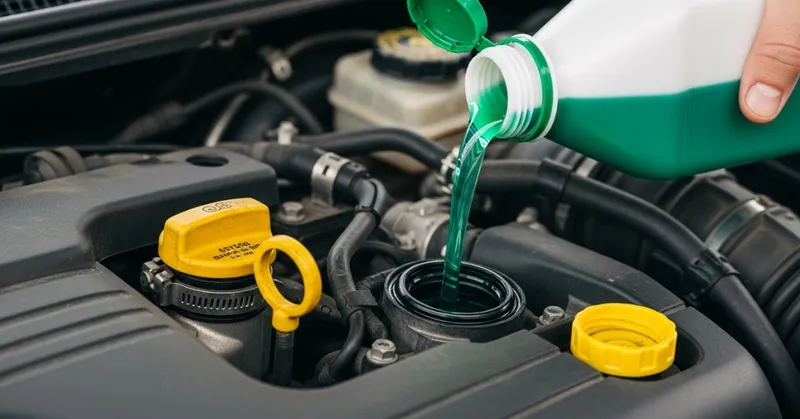
The short answer is no. Driving without coolant can damage your engine within minutes. The heat rises fast, and key parts start to fail. If the engine gets too hot, repairs can become expensive and time-consuming.
First, you should know what coolant does, what happens when it runs low, and what you should do if your car starts to overheat. We will also guide you on when to visit Zenfo Auto Services for professional help.
What Does Coolant Do in Your Car?
Coolant, also known as antifreeze, flows through your engine to control temperature. When your engine runs, it creates heat. The coolant absorbs this heat and carries it to the radiator. The radiator then cools the fluid and sends it back into the engine.
Coolant also:
Without coolant, your engine cannot manage heat. This is why every car manufacturer recommends checking coolant levels often.
- Protects engine metal from rust
- Prevents freezing in winter
- Stops hoses and seals from drying dry
- Keeps the engine running smoothly
Can You Drive Without Coolant?
You should never drive your car without coolant. Even short distances can cause damage. Engines are made of metal parts that expand when hot. If the heat becomes too high, these parts begin to warp.
Driving without coolant may cause:
Once the engine overheats, repairs can become costly. In some cases, engines become completely unusable.
If your engine already overheats or feels weak, it may need a checkup. You can book an inspection through the Car Engine Repair service to keep your engine safe and healthy.
- Engine overheating
- Cylinder head damage
- Blown head gasket
- Engine seizure
- Radiator failure
How Long Can a Car Run Without Coolant?
When the coolant level drops to zero, your engine starts overheating in 5 to 15 minutes, depending on outside temperature and driving speed.
But keep in mind:
In other words, even a short trip can harm the engine. If you notice your temperature gauge rising, pull over immediately.
- Hot weather makes overheating faster
- Highway driving stresses the engine more
- Low coolant is as dangerous as no coolant
- Driving with leaks makes the engine fail sooner
Signs Your Car Is Low on Coolant
Your car will show warning signs before it overheats completely. Watch for:
- Temperature Gauge Rising: If the needle moves toward the red zone, the coolant is too low.
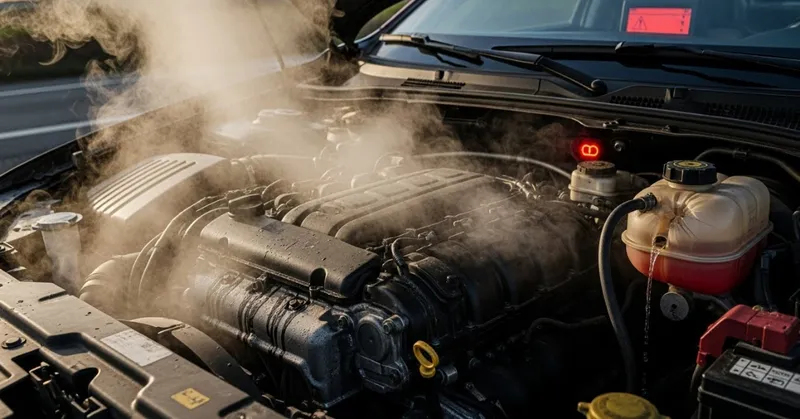
- Steam from the Hood: Steam means the engine is extremely hot. Stop driving right away.
- Sweet Smell Around the Car: Coolant has a sweet smell. A leak may be causing low levels.
- AC Stops Cooling: When the engine overheats, the AC may stop working to reduce load. If this happens, get your system checked through Car AC Repair to make sure the overheating did not affect the AC components.
- Warning Light on Dashboard: Modern cars have temperature or coolant alerts. Never ignore them.
Why Does Coolant Run Low?
Coolant can drop due to several reasons. These include:
If you notice any of these issues, it is better to visit an Auto Repair Specialist for a full inspection.
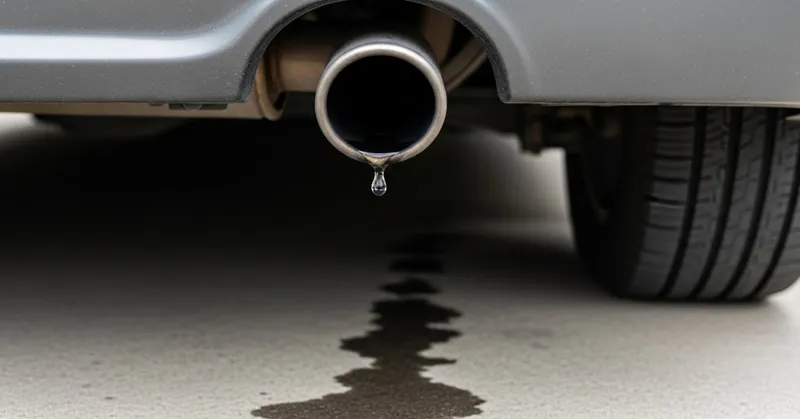
- Leaks in the Radiator: A crack in the radiator causes coolant to escape. If you see coolant on the ground, it is time for a Car Radiator Repair service.
- Worn Hoses: Rubber hoses get old and brittle, leading to leaks.
- Faulty Water Pump: The water pump pushes coolant through the system. If it fails, the coolant cannot circulate.
- Damaged Head Gasket: A blown head gasket mixes coolant with engine oil. This causes fast overheating.
- Loose Coolant Cap: Sometimes the issue is small. A loose cap can cause coolant to evaporate.
What Happens If You Keep Driving Without Coolant?
If you ignore warnings and continue driving, many serious problems can happen.
It is always cheaper to maintain the coolant than to replace the engine.
- The Engine Overheats: The engine can reach temperatures above 250°C. At this point, damage starts instantly.
- The Head Gasket Fails: A blown head gasket leads to oil and coolant mixing. Repairs are costly and time-consuming.
- Engine Parts Begin to Melt: Metal bends under extreme heat. Pistons, cylinders, and valves can melt or break.
- Total Engine Failure: The worst-case scenario is a seized engine. In this case, the engine cannot move, and replacement becomes necessary.
What to Do If Your Car Overheats
If your engine becomes too hot but you are still driving, follow these steps:
- Turn off the AC: This reduces the load on the engine.
- Turn on the Heater: The heater pulls heat away from the engine.
- Pull Over Safely: Never continue driving with an overheated engine.
- Wait for 15–20 Minutes: Let the engine cool before opening the hood.
- Never Open the Radiator Cap While Hot: Hot coolant can spray out and cause burns.
- Add Coolant If Available: Only add coolant when the engine cools down completely.
- Visit a Workshop: Driving without coolant again will repeat the problem.
How Coolant Protects Your Engine Daily
Coolant does more than control temperature. It helps your car stay in good condition every day.
Oil becomes thin when hot and fails to protect engine parts. Good coolant prevents this.
- Stops Rust Buildup: Coolant has anti-corrosion agents that protect the engine and radiator from rust.
- Improves Fuel Efficiency: When the engine stays cool, it burns fuel more efficiently.
- Protects Hoses and Seals: Proper coolant prevents parts from drying out and cracking.
- Supports Other Systems: Overheating affects many car parts, including the Oil Change system.
When Should You Change Your Coolant?
Most cars need their coolant replaced every 40,000 km or every 2 years. This can vary depending on your car model and driving conditions.
If you often drive in hot weather or heavy traffic, you may need to change it more frequently. Check the coolant color; if it looks brown, rusty, or dirty, it's time for a replacement.
How Zenfo Auto Services Helps Keep Your Car Safe
At Zenfo Auto Services, you get complete care for your cooling system. Our team checks:
If your overheating damaged electrical parts, our Electrical Repair service ensures all sensors and wiring work correctly again.
We also inspect the engine to make sure no major damage occurred. With trained technicians and advanced tools, your car stays safe and strong on every trip.
- Radiator
- Water pump
- Hoses and clamps
- Thermostat
- Coolant levels and leaks
Can a Car Overheat Even With Coolant?
Yes, a car can still overheat even if it has coolant. This can happen due to a broken thermostat, a clogged radiator, a faulty fan, or low-quality coolant. Regular checks and maintenance help prevent these issues and keep the engine running safely.
How to Avoid Coolant Problems
Here are simple steps to keep your cooling system in good shape:
Our technicians at Zenfo Auto Services can guide you on the best coolant type for your car.
- Check coolant levels weekly
- Look for leaks under your car
- Listen for grinding or squeaking sounds
- Inspect hoses for cracks
- Get regular maintenance
Final Thoughts
Driving without coolant is unsafe and risky. Even a short trip can overheat your engine and cause expensive damage. Coolant protects your engine, keeps temperatures stable, and ensures your car runs smoothly.
If you see any signs of low coolant or overheating, do not drive further. Get your car checked by the experts. Your engine is the heart of your car. Protect it with the right coolant and regular service.
Related Services
Related Articles
Need a hand with your car?
Zenfo Auto Services, Mussafah, Abu Dhabi. Free pick-up, honest quotes.