
BMW Engine Problems You Should Never Ignore
BMW engines are built for strong performance, smooth driving, and long-term reliability. However, like any vehicle, they can develop problems over time. Spotting early warning signs can help you avoid expensive repairs and protect your engine from serious damage.
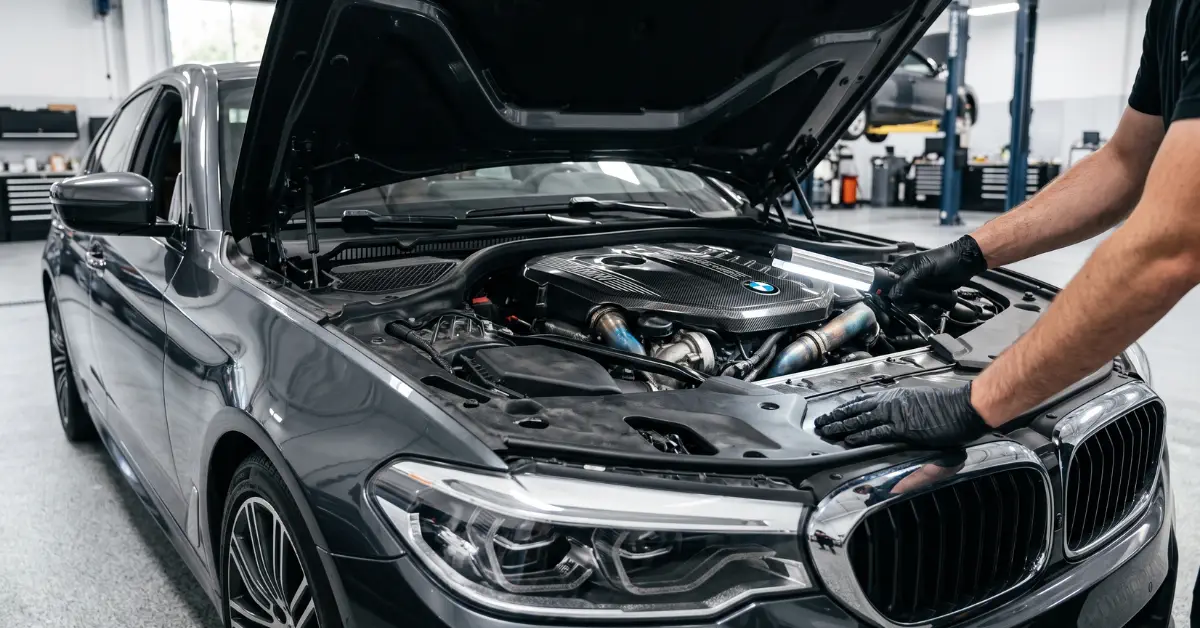
Some engine problems need immediate attention because they can quickly become worse. These include engine overheating, oil leaks, timing chain noise, excessive exhaust smoke, engine misfires, check engine light warnings, coolant leaks, and unusual knocking sounds.
Ignoring these issues may lead to reduced performance, poor fuel economy, or complete engine failure. Understanding BMW engine problems you should never ignore helps you know when it is time to visit a trusted workshop before a small repair becomes a major one.
Why Do Early Engine Repairs Matter?
Many drivers continue using their vehicle even after noticing unusual engine symptoms. While the car may still run, hidden damage can increase with every mile.
Modern BMW engines rely on electronic sensors, precise fuel delivery, variable valve timing, and advanced cooling systems. When one component fails, it often affects several others.
Fixing a problem early usually costs much less than replacing major engine parts. A small oil leak, worn gasket, or faulty ignition coil may seem minor today, but ignoring it can lead to overheating, internal wear, or damaged engine components. Regular inspections help identify these issues before they become serious.
Most Common Engine Problems You Need To Know
Engine Overheating
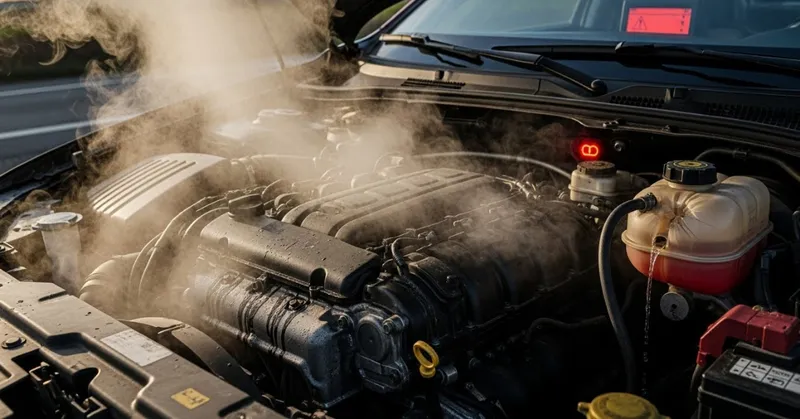
Engine overheating is one of the most dangerous problems for any BMW. The cooling system works hard to keep the engine at the correct operating temperature. If coolant levels drop or cooling components fail, engine temperatures can rise quickly.
Common causes include:
- Low coolant level
- Water pump failure
- Faulty thermostat
- Damaged radiator
- Cooling fan malfunction
Driving with an overheated engine may warp the cylinder head, damage the head gasket, or crack engine components. If the temperature gauge rises above normal or warning lights appear, stop driving safely and have the vehicle inspected as soon as possible.
Oil Leaks Should Never Be Ignored
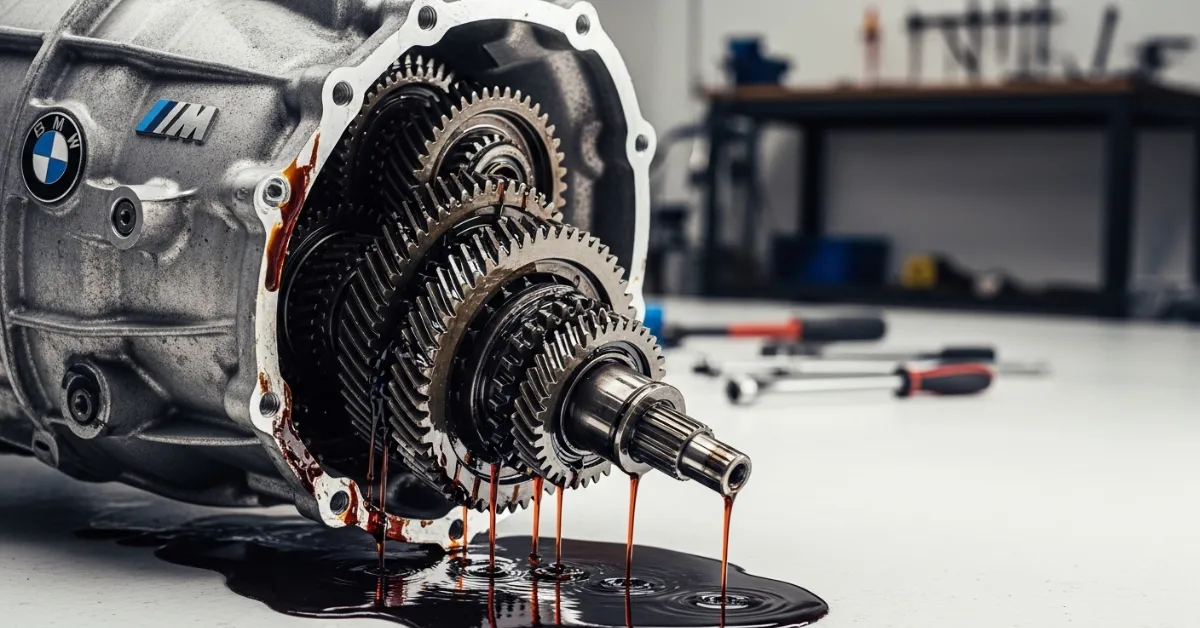
BMW engines contain several seals and gaskets that prevent engine oil from leaking. As these parts age, they may become brittle or damaged. Small leaks often appear around the valve cover gasket, oil filter housing gasket, or oil pan gasket.
Signs of an oil leak include:
- Oil spots under the vehicle
- Burning oil smell
- Low oil level warning
- Smoke from the engine bay
Engine oil lubricates moving parts and reduces friction. Low oil levels increase wear on bearings, camshafts, pistons, and other internal components. Repairing leaks early helps protect the entire engine.
Timing Chain Noise
Many BMW engines use a timing chain instead of a timing belt. Although timing chains are designed to last longer, worn chain guides, tensioners, or stretched chains can create serious problems.
Common warning signs include:
- Rattling noise during cold starts
- Engine vibration
- Rough idle
- Check engine light
If the timing chain jumps or fails, the pistons and valves may collide inside the engine. This type of damage often requires a complete engine rebuild or replacement. Any unusual rattling should be checked immediately.
Engine Misfires and Rough Running
An engine misfire happens when one or more cylinders fail to burn fuel correctly. BMW engines depend on accurate ignition timing and proper fuel delivery for smooth operation. Even a small ignition problem can affect performance.
Possible causes include:
- Worn spark plugs
- Faulty ignition coils
- Fuel injector problems
- Vacuum leaks
- Sensor failures
Drivers may notice shaking, hesitation during acceleration, poor fuel economy, or reduced power. A misfiring engine also increases emissions and may damage the catalytic converter if left unrepaired.
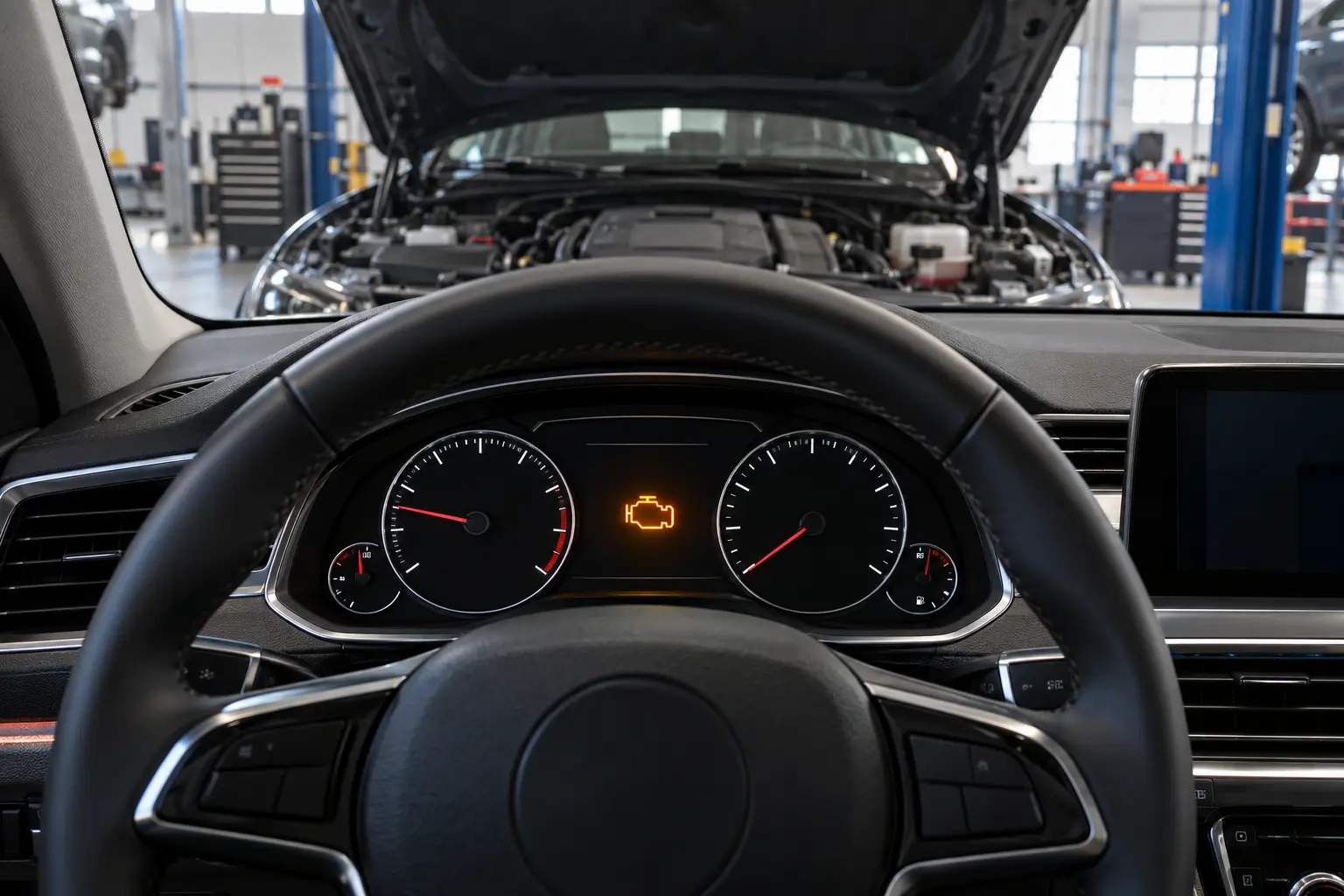
Check Engine Light
The check engine light should never be ignored, even if the vehicle seems to drive normally. Modern BMW vehicles constantly monitor engine performance through the Engine Control Unit (ECU). When the system detects a fault, it stores a diagnostic trouble code.
The warning may indicate problems involving:
- Oxygen sensors
- Air intake system
- Fuel system
- Ignition components
- Emission controls
- Engine timing
Professional diagnostic equipment reads these fault codes and helps technicians identify the exact cause. Prompt diagnosis prevents unnecessary repairs and protects engine performance.
Coolant Leaks Can Lead to Major Damage
BMW cooling systems contain several hoses, plastic connectors, expansion tanks, and seals that may wear over time. Even a small coolant leak can reduce cooling efficiency and eventually cause overheating.
Signs of coolant loss include:
- Low coolant warning
- Sweet smell near the engine
- Green, blue, or pink fluid under the vehicle
- Rising engine temperature
Unlike engine oil, coolant also protects against corrosion inside the engine. Maintaining the correct coolant level helps prevent overheating and extends the life of important cooling components.
Excessive Exhaust Smoke
The color of the exhaust smoke often provides valuable information about engine health. While light condensation is normal during cold starts, thick or continuous smoke usually indicates a problem.
Different smoke colors often suggest different issues:
- Blue smoke: Engine oil is entering the combustion chamber.
- White smoke: Coolant may be leaking into the engine through a damaged head gasket.
- Black smoke: The engine is burning too much fuel because of fuel system or sensor problems.
Ignoring unusual exhaust smoke may allow internal engine damage to become much worse over time.
Unusual Engine Knocking Sounds
A healthy BMW engine should run smoothly with minimal noise. Knocking, tapping, or metallic sounds often indicate mechanical wear or combustion problems that require immediate attention.
Possible causes include:
- Low engine oil
- Worn bearings
- Piston damage
- Carbon buildup
- Incorrect ignition timing
Some knocking sounds become louder during acceleration or while climbing hills. Continuing to drive with internal engine noise increases the risk of severe engine failure and expensive repairs.
Loss of Power During Acceleration
If your BMW feels slower than usual, struggles to accelerate, or hesitates when pressing the accelerator, the engine may not be producing its normal power. Reduced performance can result from several mechanical or electronic faults.
Common reasons include clogged air filters, fuel delivery problems, turbocharger issues, sensor failures, restricted exhaust flow, or ignition system faults. Modern BMW engines depend on accurate airflow, fuel pressure, and electronic controls.
Even one faulty component can reduce engine efficiency and driving performance. Early diagnosis restores power while preventing additional stress on engine parts.
Strange Smells Coming from the Engine Bay
Unusual smells often appear before visible engine damage develops. Paying attention to these warning signs helps identify problems early and prevents costly repairs.
Some common engine-related smells include:
- Burning oil from leaking valve cover gaskets
- Sweet coolant smell from cooling system leaks
- Burning rubber from slipping belts
- Fuel smell caused by leaking fuel lines or injectors
- Electrical burning smell from damaged wiring
These odors should never be ignored. A professional inspection helps locate the source before the problem becomes more serious.
Common Causes Behind BMW Engine Problems
BMW engines are designed with advanced technology, but several factors can increase the chance of engine trouble. Understanding these causes helps drivers reduce wear and improve long-term reliability.
Some of the most common causes include:
- Delayed oil changes
- Low-quality engine oil
- Ignoring warning lights
- Cooling system neglect
- High engine temperatures
- Poor maintenance history
- Worn ignition components
- Dirty fuel injectors
Following the manufacturer's maintenance schedule greatly reduces the risk of unexpected engine failures and improves overall performance.
How Does Regular Maintenance Help Prevent Engine Damage?
Preventive maintenance is one of the most effective ways to keep a BMW engine running properly. Routine inspections allow technicians to identify worn components before they fail. Oil changes, coolant checks, spark plug replacement, and diagnostic scans all contribute to better engine health.
Many BMW models also benefit from periodic inspections of timing chain components, cooling system parts, belts, hoses, and electronic sensors. Regular servicing improves fuel economy, reduces repair costs, and extends engine life. Investing in maintenance today often prevents major engine repairs later.
When Should You Visit a BMW Specialist?
Some engine symptoms require immediate professional attention. Waiting too long can increase repair costs and cause additional mechanical damage.
You should schedule an inspection if you notice:
- Persistent warning lights
- Engine overheating
- Oil or coolant leaks
- Rough idling
- Knocking or rattling noises
- Excessive exhaust smoke
- Loss of engine power
- Frequent stalling
BMW vehicles use advanced diagnostic systems that require specialized tools and experienced technicians. Accurate diagnosis ensures the correct repair is completed the first time.
Conclusion
BMW engines are built to deliver excellent performance, but they still require proper care and timely repairs. Engine overheating, oil leaks, timing chain noise, coolant loss, engine misfires, check engine light warnings, unusual exhaust smoke, and knocking sounds should never be ignored.
Recognizing these early signs allows problems to be repaired before they lead to major engine damage or costly replacements. Understanding BMW engine problems you should never ignore helps every owner keep their vehicle reliable, efficient, and safe for years to come.
If your BMW is showing any of these warning signs, trust Zenfo Auto Services for professional diagnostics, expert car engine repairs, and preventive maintenance. Our experienced technicians use advanced equipment to identify problems accurately with a one-month warranty on work, and help keep your BMW performing at its best.
Related Articles
Need a hand with your car?
Zenfo Auto Services, Mussafah, Abu Dhabi. Free pick-up, honest quotes.