
Understanding BMW Transmission Problems
Keeping your BMW running smoothly starts with a healthy gearbox. Over time, high speeds and old oil can wear down the internal parts. Finding BMW transmission problems early is the best way to avoid a total breakdown and save money on repairs. Most BMWs use high-tech gearboxes that need clean oil and healthy sensors to work properly. If the oil gets dirty or a sensor fails, you might feel a "jerk" or a delay when you try to speed up. Taking care of these small issues early will keep your car running like new.
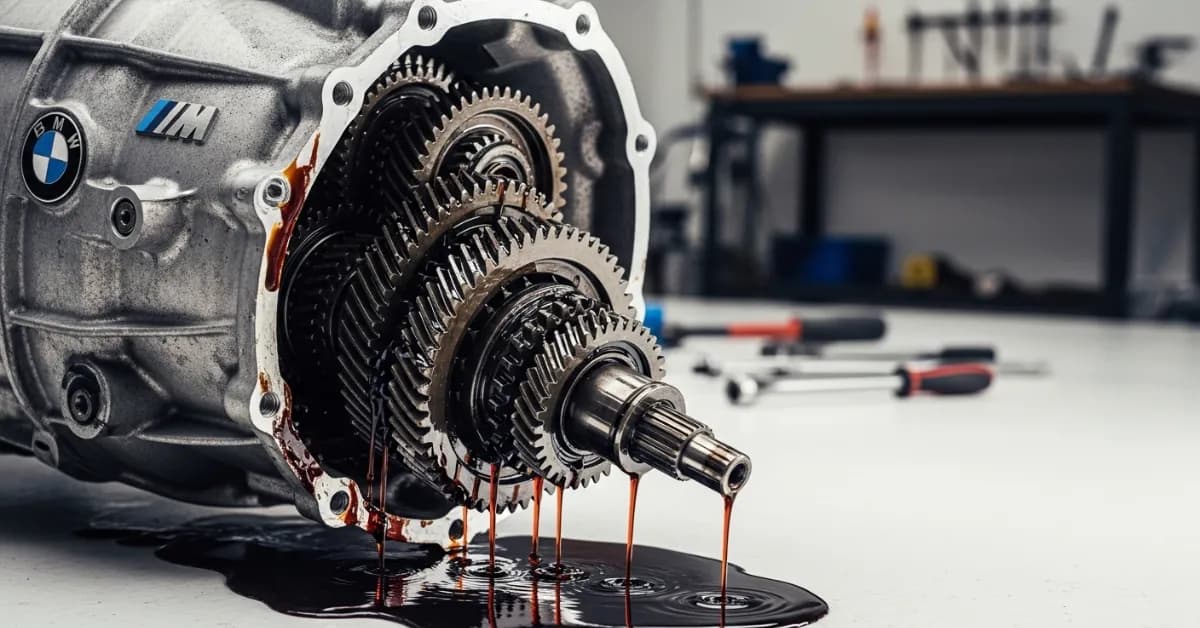
Common BMW Transmission Issues
Early identification of BMW transmission problems is key to avoiding total gearbox failure. Most issues stem from heat stress, fluid degradation, or electronic glitches within the Mechatronic system.
Gear Slippage
If your car changes gears on its own or loses power, the gear is "slipping." This usually happens because of low fluid or worn-out internal parts. Regular checks help keep your car in the right gear.
Rough or Delayed Shifting
If your BMW jerks when shifting or takes too long to change gears, it could be a bad sensor or low oil. Fixing these small shifting problems early prevents expensive damage later on.
Transmission Fluid Leaks
Oil leaks from broken seals make the gearbox dry and very hot. It is important to fix leaks fast and refill the oil to keep everything running smoothly.
Warning Lights and Error Codes
Never ignore a "Check Engine" or "Transmission" light on your dashboard. Modern sensors catch problems early, and a quick professional check can save you a lot of money.
Overheating Transmission
Hot weather and heavy traffic put a lot of stress on your gearbox. Keeping your oil levels full and following a regular service plan protects your car from heat damage.
Signs You Need Immediate Transmission Service
Do not ignore these warning signs, or your car might stop running. If you see any of these problems, take your car to a mechanic right away:
- Warning Messages: If your dashboard shows "Transmission Malfunction" and the car feels stuck in one gear, it is a sign of a serious problem.
- Burning Smell: If you smell something burning, your gear oil is likely too hot or leaking onto the hot engine.
- Strange Noises: If you hear grinding, whining, or loud clicking sounds when you change gears, the metal parts inside are wearing out.
- No Reverse Gear: If your car will not move backward when you put it in "Reverse," the internal parts are broken and need repair.
- Large Oil Leaks: If you see big puddles of red or brown oil under your car, it means a major seal is broken and needs to be fixed fast.
Why Choose Professional Service in Abu Dhabi
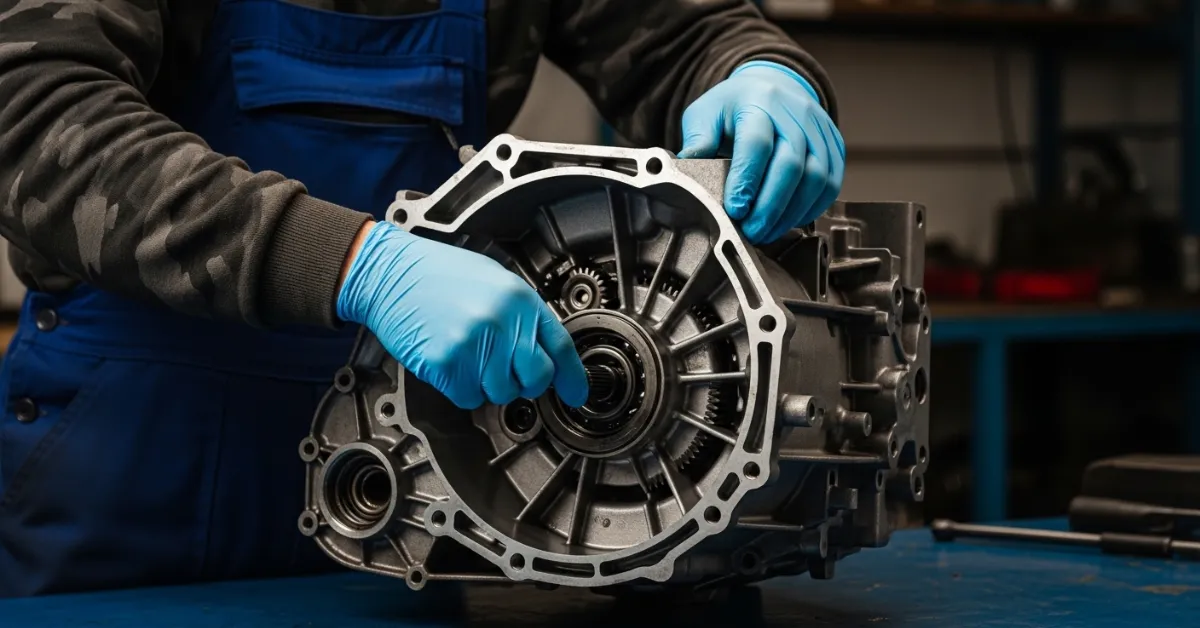
Professional service ensures your BMW transmission is handled by experienced mechanics using the latest tools.
Zenfo Auto Services, the best car service workshop in Abu Dhabi, provides expert diagnostics and reliable repair solutions.
Their skilled team uses genuine parts and advanced techniques to keep your vehicle running smoothly and efficiently. This ensures long-lasting performance and reduces the risk of future transmission issues.
Preventing BMW Transmission Problems
Preventing BMW transmission problems is far more cost-effective than a complete gearbox overhaul. Proper care ensures these sophisticated units remain responsive and smooth for the long term.
- Fluid & Filter Service: Despite "lifetime" claims, change the transmission oil and integrated filter pan every 80,000 to 100,000 km to prevent internal friction.
- Monitor Operating Temperature: Avoid aggressive driving in heavy traffic or extreme heat, as high temperatures are the primary cause of fluid degradation and mechatronic failure.
- Software Updates: Ensure your vehicle's control module is running the latest software to fix shifting logic glitches and prevent mechanical strain.
- Address Leaks Immediately: Even a small drop in fluid pressure can cause gears to slip. Regularly inspect the transmission pan and connector sleeves for any signs of seepage.
- Professional Diagnostics: A yearly scan can identify hidden electronic faults before they trigger a "Limp Mode" warning or cause permanent damage.
Essential BMW Maintenance Tips to Prevent Problems
Proper maintenance is the best way to protect your gearbox from damage and costly repairs. By following a regular service routine, you can keep both mechanical and electronic parts working smoothly.
- Regular Fluid and Filter Changes: Replace fluid and filter every 80,000-100,000 km.
- Software Updates: Update transmission software to fix shifting and improve performance.
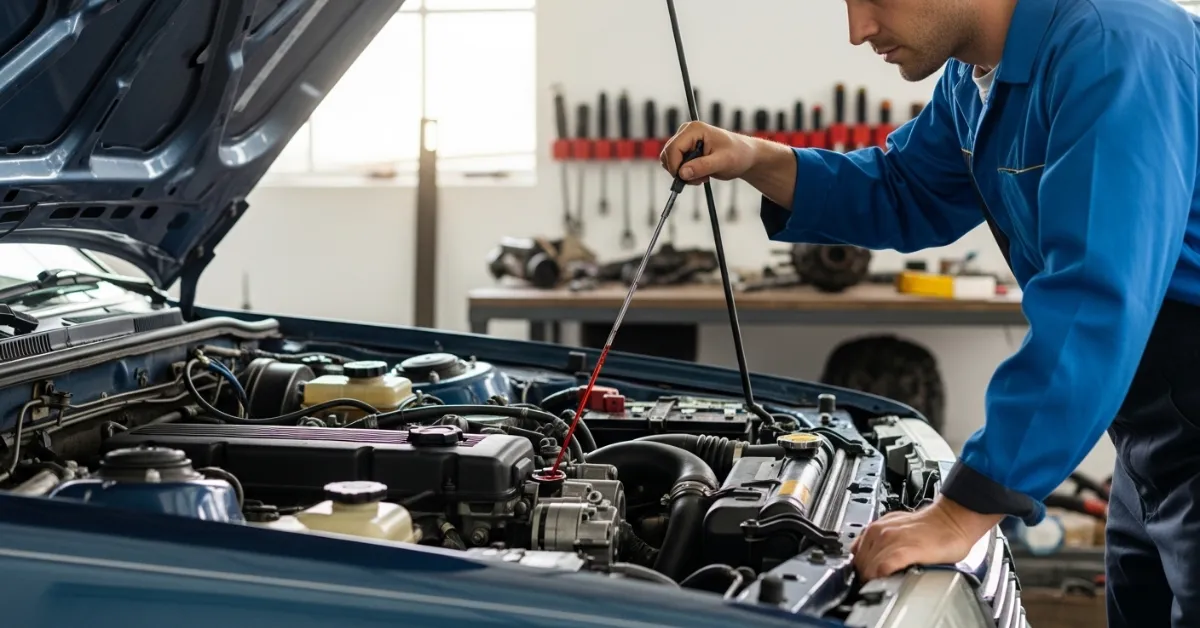
- Cooling System Checks: Ensure the cooling system works to prevent overheating.
- Fix Leaks Quickly: Repair minor leaks immediately to maintain fluid levels.
- Warm Up Your Vehicle: Let the car warm up before driving aggressively.
Seasonal Impact on BMW Transmission
Your BMW's transmission can be affected by seasonal changes. In Abu Dhabi's hot summers, high temperatures can cause transmission fluid to overheat, putting extra stress on gears and clutches.
In cooler months or early mornings, thickened fluid can make gear shifts stiffer and slower. Regular maintenance, timely fluid changes, and professional checks ensure your BMW transmission works smoothly throughout the year.
Is It Safe to Drive Your BMW with Transmission Issues?
Driving a BMW with gearbox problems is not safe and can cause more damage. A small issue like a minor leak or a tiny jerk can quickly turn into a total breakdown on the road. This puts you and other drivers in danger if your car suddenly stops moving in traffic.
If you keep driving with these problems, you will likely face much higher repair costs later. Even a small "Limp Mode" warning means the car is trying to protect itself from failing completely. It is always best to stop driving and get a professional checkup to keep your car safe and reliable.
Conclusion
Taking care of your BMW's gearbox is the best way to keep your car running smoothly for a long time. Small signs like jerky shifts or minor leaks should never be ignored, as they can quickly lead to expensive repairs.
By changing the oil regularly and getting professional checkups, you can avoid sudden breakdowns and keep your car safe. Investing in simple maintenance today will save you a lot of money and stress in the future.
FAQs
It is best to change the oil and filter every 80,000 to 100,000 km. Even if the manual says "lifetime," fresh oil keeps the gears cool and smooth. This simple step helps your gearbox last much longer without any trouble.
A "jerk" usually means the transmission oil is old or a sensor is failing. It could also mean the internal parts are starting to wear out. Getting a quick checkup can stop this small jerk from becoming a big problem.
It is a warning that the car's computer found a serious problem. The car might go into "Limp Mode" to protect the engine from more damage. You should stop driving and call a mechanic as soon as you see this light.
No, you should fix it fast before the fluid level gets too low. Low oil levels cause the gearbox to overheat and can lead to a total breakdown very quickly. It is much cheaper to fix a leak than to replace the whole gearbox.
Thick, old oil doesn't flow well when the weather is cold. Once the car warms up, the oil moves better, but this is a sign that you need an oil change. Fresh oil will help your car shift perfectly, even on cold mornings.
Small repairs like fixing a leak or changing oil are very affordable. However, if you ignore these, you might need a full replacement, which is very expensive. Taking action early is the best way to save your money.
Yes, sometimes the gearbox just needs a "reset" or a software update. It helps the computer talk to the engine correctly and makes the shifting smooth again. It is a quick and easy fix that often solves many small glitches.
Related Articles

Need a hand with your car?
Zenfo Auto Services — Mussafah, Abu Dhabi. Free pick-up, honest quotes.