
How to Check Automatic Transmission Fluid Level in Abu Dhabi
Your car needs proper care to drive smoothly and last longer. Checking the automatic transmission fluid regularly stops problems like rough gear shifts, overheating, and costly repairs. In Abu Dhabi, the heat can affect your car more, so keeping an eye on the fluid is very important. Following a few simple steps helps your car run safely and efficiently every day.
Why Checking Automatic Transmission Fluid is Vital in Abu Dhabi
Abu Dhabi’s extreme temperatures can significantly affect your car’s transmission system. When fluid levels are low or the fluid is dirty, you may notice:
Regular ATF checks help prevent costly repairs and ensure your car performs reliably, whether you’re driving on Sheikh Zayed Road, through Khalifa City, or across Yas Island. Seasonal checks are recommended, especially before summer when engine stress is high.
- Harsh or delayed gear shifts
- Strange noises from the gearbox
- Overheating transmission
- Reduced fuel efficiency
Tools You’ll Need for Transmission Fluid Check
Before checking your automatic transmission fluid, make sure you have the right tools. This makes the process easier and safer. You will need:
Having these tools ready helps you check your transmission fluid accurately and avoid mistakes.
- A clean cloth or paper towels to wipe the dipstick
- Gloves to protect your hands from hot fluid
- A funnel in case you need to add fluid
- Your car’s owner manual to find the dipstick and check the correct fluid type
Step-by-Step Guide to Check Automatic Transmission Fluid Level
Checking your automatic transmission fluid properly helps your car run smoothly and prevents serious damage. Following the right steps ensures accurate readings and safe handling of hot fluid.
Park on a Level Surface
Make sure your car is parked on a flat, even surface. A level ground gives accurate fluid reading. Turn on the engine and let it run for a few minutes. Warm fluid flows better and provides a true reading of the transmission level.
Locate the Dipstick
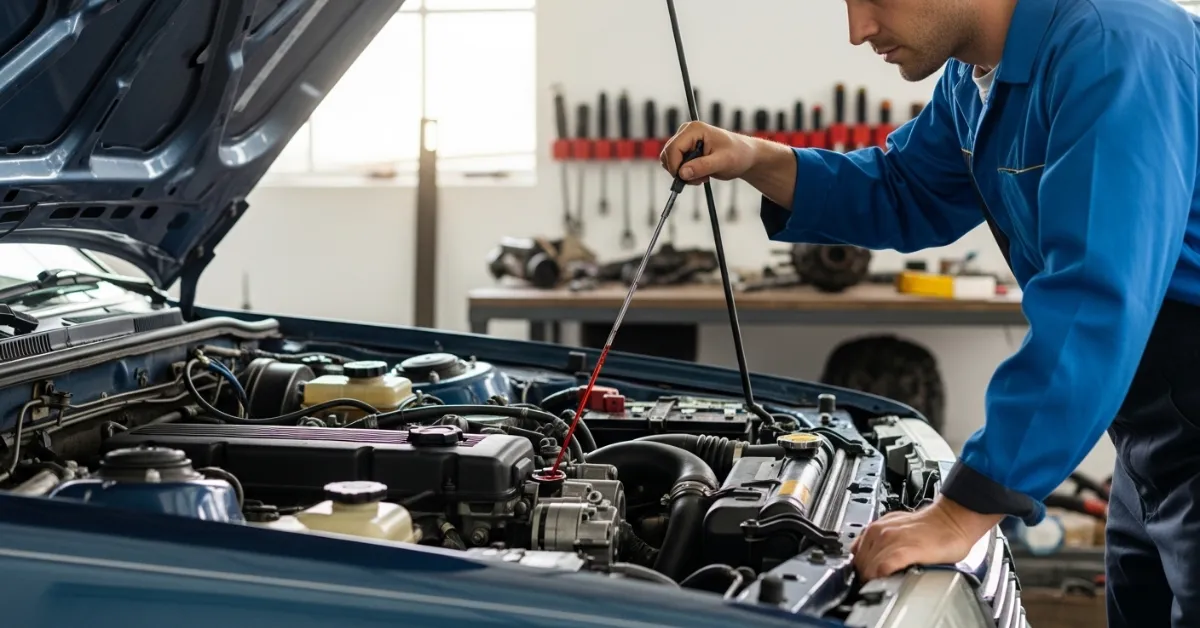
Look for the transmission dipstick, usually marked with “ATF” or “Transmission Fluid.” Check your car’s owner's manual if you are unsure where it is. Before pulling it out, clean the area around it to prevent dirt from getting into the fluid.
Check the Fluid Level
Pull out the dipstick and wipe it with a clean cloth or paper towel. Reinsert it fully and then remove it again. Check the fluid level against the “Full” and “Add” marks. The correct level ensures your transmission works smoothly without strain.
Inspect the Fluid Condition
Transmission fluid should be bright red or pink and clear. Fluid that is dark, brown, or smells burnt may be old or contaminated. Dirty fluids can cause rough gear shifts, overheating, or even transmission failure if not replaced.
Add Fluid if Needed
If the fluid is low, use the type recommended in your owner's manual. Add the fluid slowly, a little at a time, and keep checking the level to avoid overfilling. Proper fluid levels help prevent transmission problems and keep your car performing well in hot conditions.
Close and Secure
Once the check is complete, insert the dipstick fully and close the hood securely. Safely dispose of any used cloths or paper towels. Regular checks like this, especially before hot summer months, can save you time and money on repairs.
Signs Your Transmission Fluid Needs Immediate Attention
Your car’s transmission fluid plays a key role in keeping gear shifts smooth and the transmission cool. Low or dirty fluids can cause serious problems if not addressed quickly. Watch for these warning signs to know when your fluid needs attention:
- Delayed or slipping gears: The car takes longer to shift or seems to slip between gears.
- Unusual noises: Grinding, whining, or humming sounds from the transmission.
- Overheating: The transmission feels hotter than usual, or a warning light comes on.
- Dirty or burnt fluid: Fluid looks dark, brown, or smells burnt.
- Poor fuel efficiency: The car consumes more fuel due to transmission strain.
How Often to Check Your Transmission Fluid?
Checking your transmission fluid regularly helps your car run smoothly and prevents major problems. For most cars, it is good to inspect the fluid at least once a month or every 1,000 to 2,000 kilometers.
In Abu Dhabi’s hot weather, you may need to check the fluid more often. High temperatures can affect the fluid and the transmission, so keeping a regular schedule helps your car stay healthy and perform well.
Common Mistakes to Avoid
Many car owners accidentally damage their transmission by making simple mistakes during fluid checks. Paying attention to these common errors can help your car run smoothly and last longer.
By avoiding these mistakes, you protect your car from unnecessary wear, improve gear performance, and reduce the risk of expensive repairs. Regular and proper checks keep your transmission in top condition.
- Checking the fluid on a cold engine: Transmission fluid expands when warm. Checking it on a cold engine can give a false reading and lead to overfilling or underfilling.
- Using the wrong type of ATF: Not all automatic transmission fluids are the same. Using the wrong type can harm the transmission and reduce its performance. Always follow the manufacturer’s recommendations.
- Overfilling or underfilling: Too much fluid can cause foaming and overheating, while too little can lead to slipping gears and damage. Always add fluid gradually and check the level carefully.
- Ignoring fluid color or smell: Bright red or pink fluid is healthy. Dark, brown, or burnt-smelling fluid indicates contamination or wear. Ignoring these signs can lead to serious transmission problems.
Seasonal Advice for Abu Dhabi Drivers
Abu Dhabi’s hot climate makes seasonal transmission care important. Following a simple schedule helps keep your car running smoothly throughout the year.
Always check your transmission fluid before long trips. Regular inspections help prevent breakdowns and keep your car safe and reliable in all conditions.
- Summer (May to September): Check your transmission fluid every 2,000 kilometers. The high temperatures put extra stress on your car’s transmission.
- Winter (December to February): Make sure the fluid has not thickened. Cooler mornings can affect fluid flow and performance.
- Rainy season (December to March, rare): Inspect fluid seals to prevent water from entering the transmission during sudden showers.
Professional Help for Reliable Transmission Performance
Automatic transmissions are complex. Small mistakes during fluid checks or maintenance can cause costly problems or poor performance. Expert help ensures the fluid is checked correctly, the right type is used, and any issues are spotted early.
At Zenfo Auto Services, Abu Dhabi’s trusted car service workshop, our technicians have extensive experience handling every type of automatic transmission. We follow manufacturer guidelines, use the right tools, and provide thorough inspections. Drivers in Abu Dhabi trust us for reliable service and long-lasting performance for their cars.
Conclusion
Regularly checking and maintaining your automatic transmission fluid is essential for keeping your car running smoothly and preventing costly repairs. Following simple steps, watching for warning signs, and relying on expert help from Zenfo Auto Services ensures your transmission stays healthy and your vehicle performs reliably in Abu Dhabi’s hot climate.
Related Articles

Need a hand with your car?
Zenfo Auto Services — Mussafah, Abu Dhabi. Free pick-up, honest quotes.