
How to Repair Car Dents at Home
Car dents can happen anytime. A shopping cart hit. A small parking bump. Or a door opening too fast. These dents may look small, but they can ruin your car's appearance and lower its value.
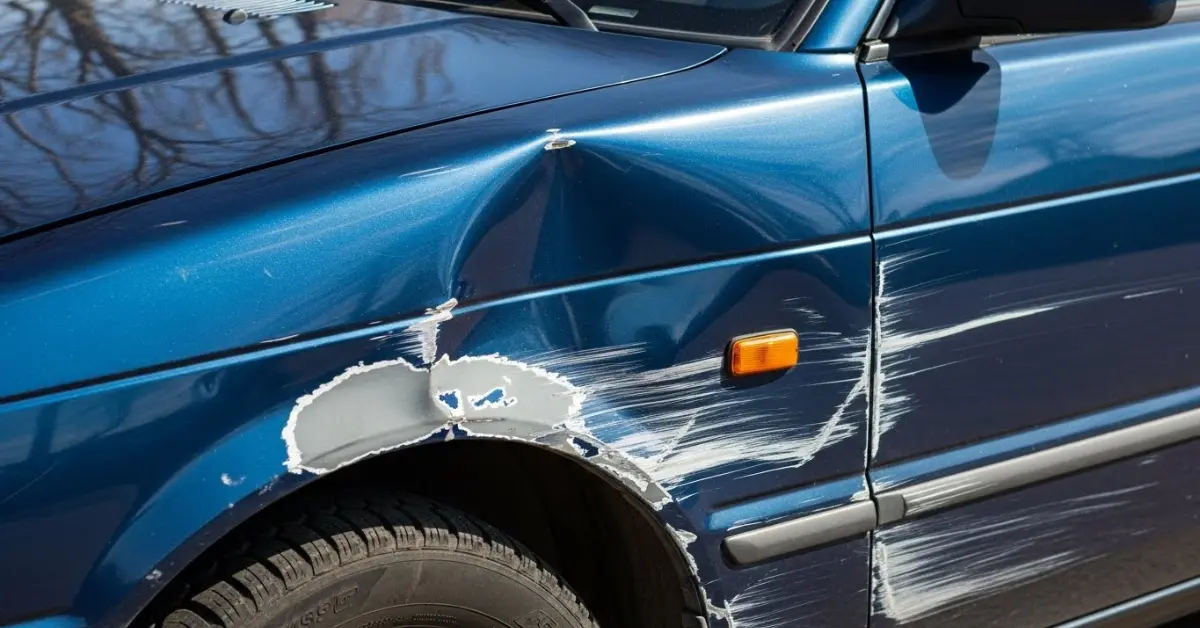
Car dents can happen anytime. A shopping cart hit. A small parking bump. Or a door opening too fast. These dents may look small, but they can ruin your car's appearance and lower its value.
The good news is this. Some dents can be fixed at home. You do not always need a full workshop visit. With basic tools and patience, you can repair minor dents yourself.
This guide explains how to repair car dents at home in simple steps. It uses easy words and clear methods. It also helps you know when a dent is too serious for DIY and needs expert care from a professional auto body shop.
Understanding Car Dents Before Repair
Before fixing a dent, you need to understand what type it is.
Common Types of Car Dents
- Small round dents from doors or balls
- Shallow dents without paint damage
- Crease dents with sharp lines
- Dents with chipped paint
Home methods work best on:
- Small to medium dents
- Shallow dents
- Dents with no paint cracks
If the paint is broken or the metal is deeply bent, home repair may not be enough.
Tools You May Need for DIY Dent Repair
Most home dent repair methods use simple items.
Common tools include:
- Hair dryer
- Can of compressed air
- Hot water
- Plunger
- Vacuum suction cup
- Rubber mallet
- Soft cloth
- Gloves
You do not need heavy machines. Just clean tools and a calm approach.
Method 1: Hot Water Dent Repair (Best for Plastic Bumpers)
This method works well on plastic parts like bumpers.
What You Need
- Hot water
- Gloves
Steps
- Heat water until very hot, not boiling.
- Pour it slowly over the dented area.
- The plastic will soften.
- Reach behind the panel and push the dent out.
- Pour cold water to help it set back.
Why It Works
Heat makes plastic flexible. Gentle pressure reshapes it.
Method 2: Hair Dryer and Compressed Air
This is a popular and safe method.
What You Need
- Hair dryer
- Compressed air can
Steps
- Heat the dent with a hair dryer for 2-3 minutes.
- Hold the dryer about 5 inches away.
- Spray compressed air upside down on the hot dent.
- The rapid cooling causes the metal to pop back.
Tips
- Wear gloves
- Do not overheat paint
Method 3: Plunger Suction Method
This works on flat surfaces.
What You Need
- Clean plunger
- Water
Steps
- Wet the dent and plunger.
- Press the plunger firmly on the dent.
- Pull back gently.
- Repeat until the dent pops out.
Best For
- Door dents
- Hood dents
- Smooth surfaces
Method 4: Vacuum Suction Cup
A stronger version of the plunger method.
Steps
- Clean the dent area.
- Attach the suction cup firmly.
- Pull slowly and evenly.
- Stop once the panel looks normal.
This method gives better control and less risk.
Method 5: Rubber Mallet From Inside
Only use this if you can reach behind the panel.
Steps
- Remove the inner panel carefully.
- Place a soft cloth on the dent.
- Tap gently from inside using a rubber mallet.
- Work from edges toward the center.
Do not hit hard. Light taps are enough.
What Not to Do During DIY Dent Repair
Avoid these mistakes:
- Do not use metal hammers
- Do not force the dent
- Do not heat paint too much
- Do not try deep crease repairs
These can make the damage worse.
When DIY Dent Repair Is Not Enough
Home methods have limits. You should seek professional dent repair services if:
- Paint is cracked or peeling
- Dent has sharp edges
- Metal is stretched
- Dent is near sensors or lights
In such cases, trained technicians use special tools to restore shape without damage.
Why Professional Auto Body Support Matters
Some dents need more than suction or heat. Professionals use:
- Paintless dent repair tools
- Precision pulling equipment
- Panel reshaping techniques
A trusted auto body shop ensures the car keeps its original look and safety.
After Dent Repair: Restoring the Finish
Even after fixing the dent, you may notice dull spots.
Simple steps to improve appearance:
- Wash the area
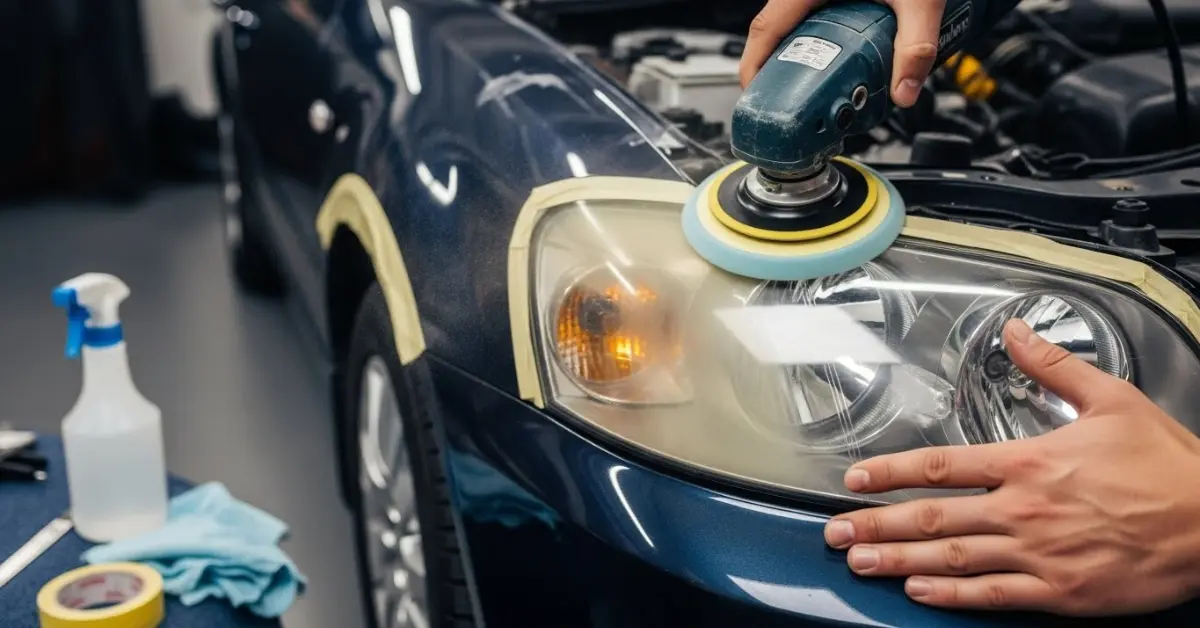
- Apply car polish to blend the surface
- Wax for shine and protection
Polishing helps hide minor marks and improves resale value.
Paint Damage After Dent Repair
If paint is scratched or chipped, DIY repair is risky.
Professional car painting ensures:
- Color matching
- Smooth finish
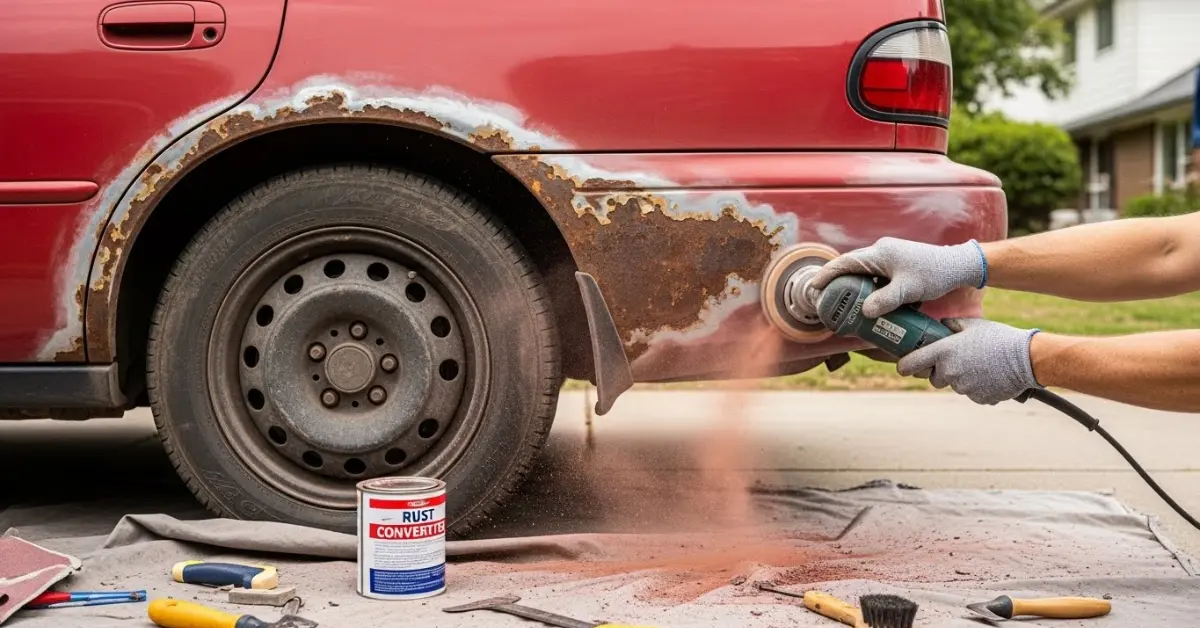
- Rust prevention
This is important for long-term protection.
How Dent Repair Protects Car Value
Unrepaired dents can:
- Lower resale price
- Lead to rust
- Make the car look poorly maintained
Fixing dents early keeps your vehicle looking newer for longer.
Safety Tips While Repairing Dents at Home
- Work in a well-lit area
- Use gloves
- Avoid sharp edges
- Keep tools away from children
Safety always comes first.
Preventing Future Car Dents
You can reduce dent risk by:
- Parking away from crowds
- Using covered parking
- Installing door guards
- Being careful in tight spaces
Small habits make a big difference.
DIY vs Professional Dent Repair: Quick Comparison
DIY Repair
- Low cost
- Good for small dents
- Limited results
Professional Repair
- Higher precision
- Long-lasting results
- Best for complex dents
Choose based on dent size and location.
Car Care Beyond Dent Repair
Regular vehicle care improves overall performance and appearance. Along with body care, routine inspections help identify hidden issues early.
For complete vehicle maintenance and repair solutions, visit Car Auto Repair Abu Dhabi to keep your car safe, reliable, and visually appealing.
Final Thoughts
Learning how to repair car dents at home can save time and money. Simple dents can often be fixed with basic tools and patience. Heat, suction, and gentle pressure work well for minor damage.
However, know your limits. If a dent looks deep or the paint is damaged, expert help is the safer choice. Proper repair protects your car's value, look, and safety.
A smooth, dent-free car not only looks better. It also feels better to drive.
Related Services
Related Articles
Need a hand with your car?
Zenfo Auto Services, Mussafah, Abu Dhabi. Free pick-up, honest quotes.