
How to Repair Car Headlights
Clear headlights are essential for safe driving, especially during night travel and long highway routes in Abu Dhabi. When headlights become foggy, dim, or damaged, visibility drops and reaction time is reduced. Many drivers ignore early signs, but headlight issues can often be repaired before full replacement is needed.
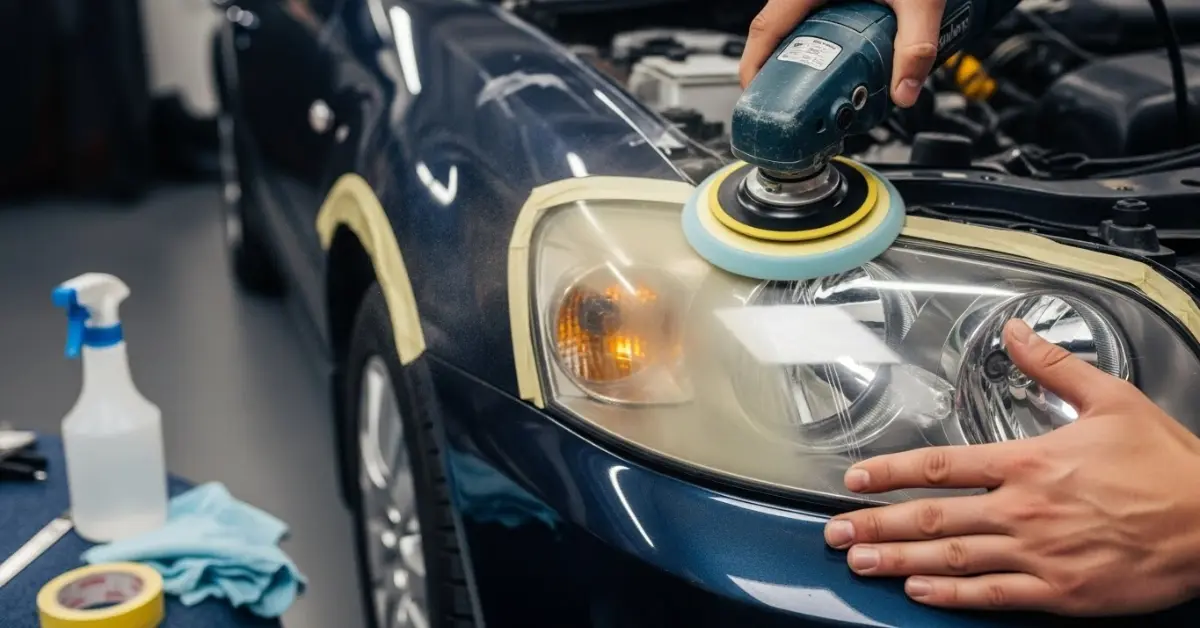
This guide explains how to repair car headlights using simple, practical steps. It also highlights when professional inspection is important and how related vehicle systems affect headlight performance. The goal is to help drivers stay safe while maintaining their vehicles properly.
Common Headlight Problems Drivers Face
Headlights face constant exposure to harsh weather conditions. In Abu Dhabi, heat, dust, and UV rays accelerate wear. Over time, this leads to several common problems.
Foggy or yellow lenses are the most frequent issue. UV exposure breaks down the protective layer on the headlight plastic, making it cloudy. Dim headlights are another concern and often result from aging bulbs, electrical issues, or voltage problems. Moisture inside the headlight housing usually points to broken seals, while cracks or chips are often caused by road debris or minor accidents.
Ignoring these problems affects night visibility and increases the risk of accidents.
When Headlights Can Be Repaired Instead of Replaced
Not every headlight problem requires replacement. Many issues are repairable if addressed early.
Headlights can usually be repaired when:
Replacement becomes necessary when the housing is cracked badly or the internal reflector is damaged. Knowing the difference saves both time and money.
- The lens is foggy or oxidized
- Bulbs are weak or uneven
- Wiring connections are loose
- Moisture is present without structural damage
Step-by-Step Guide to Repairing Car Headlights
1. Inspect the Headlight Condition
Start by checking both headlights in daylight and at night. Look for discoloration, moisture, flickering, or uneven brightness. Turn on high beams and low beams to compare light output. This initial inspection helps identify whether the issue is surface-level or electrical.
Electrical issues may be linked to wiring faults, which often require professional electrical repair to ensure safe power flow and prevent further damage.
2. Clean the Headlight Lenses Properly
Surface dirt can make headlights appear dull. Wash the lenses using car shampoo and water. Avoid household cleaners, as they may damage the plastic. Dry the surface completely before moving to the next step.
For light oxidation, simple cleaning can restore some clarity.
3. Restore Foggy or Yellow Headlights
Headlight restoration kits are effective for moderate fogging. These kits usually include sanding pads, polishing compounds, and UV sealant.
The process involves gently sanding the surface, polishing it smooth, and applying a protective layer. This restores clarity and improves brightness. For long-lasting results, professional restoration is recommended, especially if the oxidation is heavy.
4. Replace Weak or Burnt-Out Bulbs
Dim headlights are often caused by aging bulbs. Replace both bulbs at the same time to ensure even lighting. Always use the correct bulb type recommended for your vehicle.
If new bulbs still appear dim, the issue may be related to power supply or grounding. In such cases, checking the battery and charging system is important. Many headlight problems are linked to battery health, making battery replacement services relevant when voltage levels are unstable.
5. Fix Moisture Inside Headlights
Condensation inside headlights reduces light output and damages internal components. Moisture usually enters through damaged seals or vents.
Drying the headlight assembly and resealing it can solve the issue. However, if moisture keeps returning, professional inspection is necessary to prevent electrical corrosion and wiring failure.
6. Check Headlight Alignment
Improper alignment can make headlights ineffective even if they are bright. Misaligned headlights may point too high or too low, reducing road visibility and causing glare for other drivers.
Alignment is often affected by suspension changes, uneven tire wear, or minor accidents. During routine maintenance, services like wheel alignment help ensure headlights remain properly positioned.
How Other Vehicle Systems Affect Headlights
Headlights do not work in isolation. Several vehicle systems influence their performance.
Electrical components play a major role. Faulty wiring, blown fuses, or poor grounding can cause flickering or complete failure. Engine vibrations and loose mounts may also affect headlight stability.
Front-end damage, even from minor collisions, can shift headlight positioning. In such cases, inspection at an auto body shop helps restore proper alignment and secure mounting.
DIY Repair vs Professional Headlight Repair
Some headlight repairs can be done at home, but not all.
DIY repairs are suitable for:
- Basic cleaning
- Light lens restoration
- Bulb replacement
Professional repair is recommended when:
Professional service ensures safety and prevents repeated failures.
- Electrical faults are present
- Moisture keeps returning
- Headlight housing is damaged
- Alignment issues persist
Why Timely Headlight Repair Matters
Driving with faulty headlights increases accident risk, especially at night or during poor weather. It also affects road compliance and can result in fines.
Clear headlights improve reaction time, reduce driver fatigue, and enhance overall road safety. Timely repairs also prevent related issues from spreading to electrical systems or batteries.
Choosing the Right Auto Care Support in Abu Dhabi
Reliable vehicle care ensures all systems work together smoothly. Headlight repair often overlaps with electrical checks, battery health, and front-end inspections. Accessing comprehensive car auto services in Abu Dhabi ensures problems are diagnosed correctly and fixed the first time.
A complete service approach improves performance, safety, and long-term reliability.
Maintenance Tips to Keep Headlights Clear Longer
Simple habits can extend headlight life.
Preventive care reduces the need for frequent repairs.
- Wash headlights regularly
- Apply UV-protective coating
- Avoid abrasive cleaners
- Park in shaded areas when possible
- Inspect seals during routine servicing
Final Thoughts
Repairing car headlights is an important part of vehicle maintenance. Many common issues like foggy lenses, dim bulbs, or minor moisture problems, can be fixed without replacement if addressed early.
Understanding the causes, following proper repair steps, and knowing when to seek professional help ensures safer driving and better visibility. With the right care and timely inspections, headlights can remain clear, bright, and reliable for years to come.
Related Services
Related Articles
Need a hand with your car?
Zenfo Auto Services, Mussafah, Abu Dhabi. Free pick-up, honest quotes.