5 Signs Your Range Rover Needs Service
Owning a Range Rover means enjoying comfort, strong performance, and advanced driving features. However, like any luxury SUV, it needs regular maintenance to keep all its systems working properly. Ignoring small warning signs can lead to bigger problems and expensive repairs.
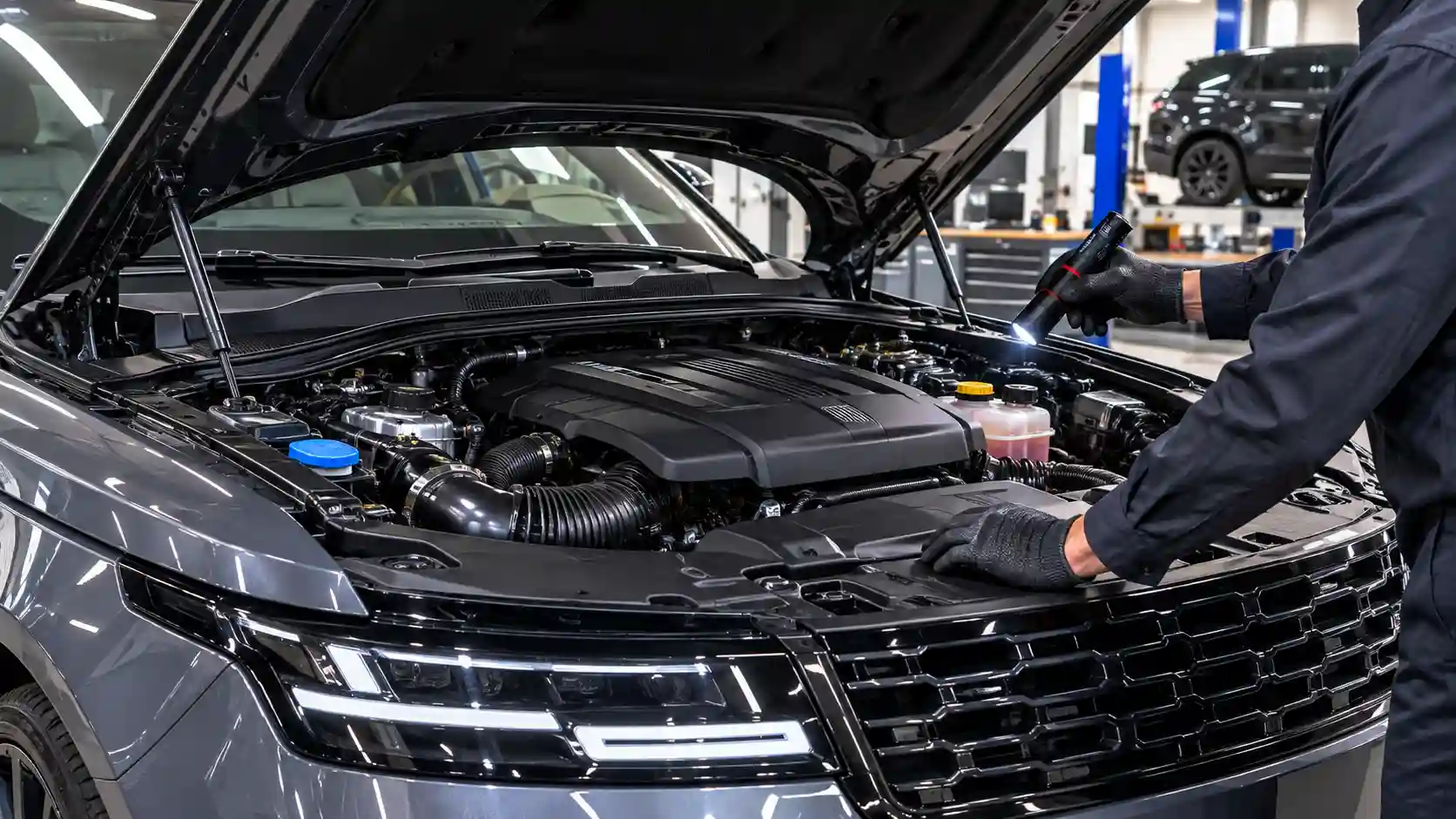
There are several signs that indicate your Range Rover needs professional servicing. Dashboard warning lights, unusual engine noises, poor acceleration, fluid leaks, and changes in braking or handling are some of the most common signs.
These problems may develop due to worn parts, low fluid levels, electrical faults, or poor maintenance. In the UAE, high temperatures and dusty roads can put extra pressure on the engine, cooling system, battery, and AC. Recognising these signs early helps protect your Range Rover and keeps it safe on the road.
Most Common Signs Your Range Rover Needs Service
1. Dashboard Warning Lights Keep Appearing
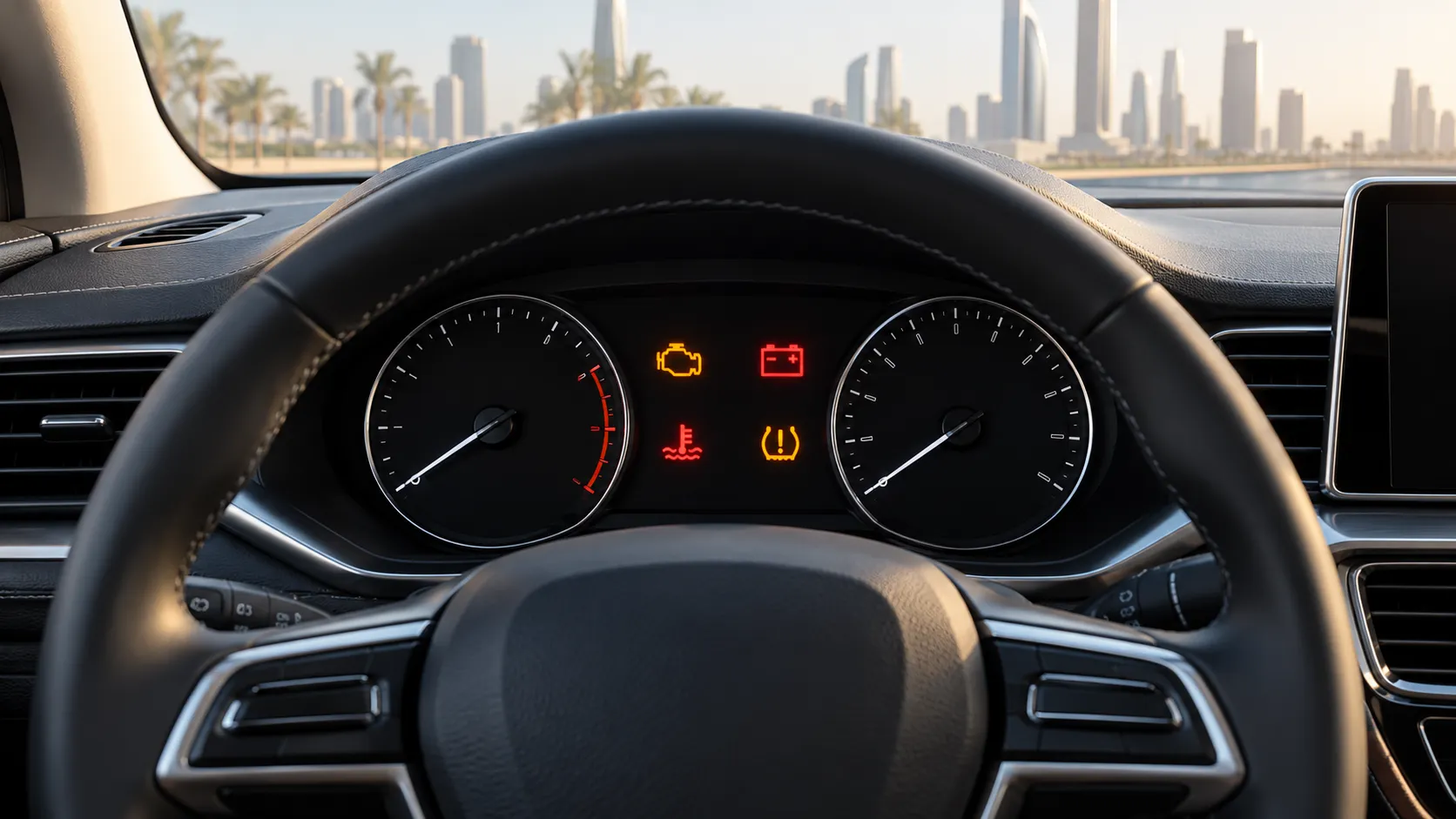
Dashboard warning lights are among the first signs that something may be wrong with your Range Rover. Modern models use electronic sensors to monitor the engine, transmission, brakes, battery, and other systems. When a sensor detects a problem, it sends a signal to the vehicle's computer and displays a warning.
Some warnings may indicate a minor issue, while others need immediate attention. Ignoring them can allow a small fault to become more serious. A diagnostic scan helps mechanics read fault codes and identify which system needs inspection or repair.
Common Range Rover Dashboard Warning Lights
Different warning lights point to different problems. Some of the common ones include:
- Check engine light: May indicate engine performance, fuel system, or emissions-related problems.
- Battery warning light: Can point to a weak battery, alternator fault, or charging system issue.
- Oil pressure warning: May indicate low engine oil pressure or a lubrication system problem.
- Coolant temperature warning: Shows that the engine may be overheating.
- ABS warning light: Can indicate a fault in the Anti-lock Braking System.
- Air suspension warning: May point to a problem with the air springs, compressor, or suspension sensors.
If the oil pressure or engine temperature warning appears, stop driving as soon as it is safe. Continuing to drive can cause serious engine damage.
2. Unusual Engine Noises or Vibrations
Your Range Rover should run smoothly without unusual sounds or strong vibrations. If you start hearing knocking, rattling, squealing, or whining noises, it may indicate a problem with the engine or one of its connected parts.
Different sounds can point to different faults. For example, a knocking noise may be linked to engine lubrication or internal wear, while a squealing sound may come from a worn belt. Vibrations can also develop due to faulty engine mounts, worn suspension parts, or uneven engine operation. A mechanic should inspect the source instead of replacing parts based on sound alone.
Common Engine Noises to Watch For
Pay attention to these sounds when starting or driving your Range Rover:
- Knocking noise: May indicate low oil pressure, poor lubrication, or internal engine wear.
- Rattling sound: Could come from loose engine parts, timing components, or exhaust connections.
- Squealing noise: May be caused by a worn drive belt or pulley.
- Whining sound: Can indicate issues with the power steering system, transmission, or other rotating components.
- Excessive vibration: May result from damaged engine mounts, misfires, or worn suspension parts.
Do not ignore new or repeated noises. Early inspection can help identify the fault before it affects other engine components.
3. Poor Acceleration and Reduced Engine Performance
A Range Rover should provide smooth acceleration and enough power for different driving conditions. If the SUV feels slower than usual, struggles to climb hills, or takes longer to respond when you press the accelerator, it may need servicing.
Reduced performance can develop due to a blocked air filter, fuel delivery problems, faulty sensors, turbocharger issues, or engine misfires. Transmission faults can also affect acceleration. In some cases, the vehicle may enter limp mode, which limits engine power to protect important components from further damage.
What Causes Poor Range Rover Performance?
Several parts can affect engine power and acceleration:
- Blocked air filter: Reduces airflow into the engine and may affect combustion.
- Dirty fuel injectors: Can affect fuel delivery and cause rough engine operation.
- Faulty spark plugs: May cause misfires, poor acceleration, and increased fuel consumption in petrol engines.
- Turbocharger problems: Can reduce engine power and affect acceleration.
- Faulty sensors: Incorrect readings from sensors such as the mass airflow sensor can affect engine operation.
- Transmission problems: Delayed gear changes or slipping can make the SUV feel less responsive.
A diagnostic scan, engine inspection, and road test can help identify the cause. Avoid forcing the engine to produce more power when you notice a sudden drop in performance.
4. Fluid Leaks Under Your Range Rover
Fluid leaks are another important sign that your Range Rover needs attention. Different fluids help the engine, transmission, brakes, cooling system, and other components work properly. If any of these fluids escape, the affected system may stop working as it should.
You may notice wet patches or drops under the SUV after parking. The colour and location of the fluid can provide useful clues, but a proper inspection is needed to confirm the source. Common causes include worn seals, damaged hoses, loose connections, and leaking gaskets.
Common Fluid Leaks in Range Rover Models
Here are some fluids that may leak from your SUV:
- Engine oil: Usually appears brown or black and may leak from the valve cover gasket, oil pan, or engine seals.
- Coolant: Often comes in different colours depending on the coolant type and may leak from hoses, the radiator, or water pump.
- Transmission fluid: May appear red, amber, or brown depending on its type and condition. Leaks can develop around seals and transmission lines.
- Brake fluid: May leak from brake hoses, callipers, or master cylinder connections. This is a serious safety concern.
- Power steering fluid: On models with hydraulic power steering, a leak may affect steering assistance.
Never ignore a growing fluid leak. If you notice a brake fluid leak or a low oil pressure warning, stop driving and arrange professional assistance.
5. Changes in Braking, Steering, or Suspension
Range Rover models are designed to provide a comfortable ride and controlled handling. If the SUV starts pulling to one side, feels unstable, or becomes harder to steer, some suspension or braking parts may need attention.
Worn brake pads, damaged suspension bushes, faulty shock absorbers, and air suspension problems can affect driving comfort and safety. Some Range Rover models use an electronic air suspension system that adjusts ride height based on driving conditions. Problems with its compressor, air springs, or sensors may cause the vehicle to sit lower than normal.
Warning Signs of Brake and Suspension Problems
Watch for these changes while driving:
- Soft or vibrating brake pedal: May indicate air in the brake system, worn brake discs, or other braking faults.
- Squealing brakes: Often caused by worn brake pads or contact between brake components.
- Vehicle pulling to one side: Can be related to brake problems, tyre pressure, or wheel alignment.
- Uneven ride height: May indicate a leaking air spring or faulty suspension system.
- Excessive bouncing: Can point to worn shock absorbers or suspension parts.
- Heavy steering: May be caused by a steering system fault or an electrical problem in the power-assisted steering system.
Have the braking and suspension systems checked if you notice any of these symptoms. These parts directly affect vehicle control and should not be left until the next routine service.
Why Regular Range Rover Servicing Is Important in the UAE
Driving conditions in the UAE can be demanding for luxury SUVs. High summer temperatures, dusty roads, traffic, and long journeys can increase the workload on several vehicle systems. Regular maintenance helps keep the engine, cooling system, transmission, brakes, and AC in good condition.
Protecting the Engine From High Temperatures
The engine cooling system controls heat produced during combustion. It uses components such as the radiator, coolant, water pump, thermostat, and cooling fans to maintain a suitable operating temperature.
If coolant levels become low or the radiator gets blocked, the engine may overheat. Regular inspections help identify leaks, weak hoses, and cooling system faults before they cause serious damage.
Keeping the AC System in Good Condition
A Range Rover's AC system works hard during UAE summers. Low refrigerant levels, a dirty condenser, blocked cabin filters, or compressor problems can reduce cooling performance.
During regular servicing, mechanics should inspect the AC system and check whether the compressor, condenser, and cooling fans are working correctly. Replacing a dirty cabin filter can also improve airflow inside the SUV.
Maintaining the Battery and Electrical System
High temperatures can affect battery performance and shorten its working life. A weak battery may cause slow starting, dashboard warnings, and problems with electronic features.
A battery test can check its voltage and overall condition. Mechanics should also inspect the alternator, battery terminals, and charging system to identify electrical faults.
How Often Should You Service Your Range Rover?
The correct service interval depends on the Range Rover model, engine, age, mileage, and driving conditions. Many models follow a mileage-based or time-based maintenance schedule, while newer versions may use a condition-based service reminder.
As a general guide, regular oil and filter servicing may be required around every 10,000 km or 12 months, depending on the manufacturer's recommendations. However, you should always check your owner's manual or vehicle service system for the correct interval.
Do not wait for a warning light before booking a service. Regular inspections help mechanics find worn parts, fluid leaks, and early signs of mechanical or electrical problems.
Conclusion
Your Range Rover may need servicing if you notice dashboard warning lights, unusual engine noises, reduced acceleration, fluid leaks, or changes in braking and suspension performance. These signs can point to problems with the engine, transmission, cooling system, electrical parts, or suspension.
Regular maintenance is especially important in the UAE because high temperatures and dusty roads can increase wear on different components. Checking fluid levels, replacing filters on time, and fixing small faults early can help prevent expensive repairs.
If your Range Rover is showing any of these warning signs, contact Zenfo Auto Services for professional Range Rover maintenance and repair in Abu Dhabi. Book an inspection today to identify the problem and keep your SUV running smoothly.
Related Articles
Need a hand with your car?
Zenfo Auto Services, Mussafah, Abu Dhabi. Free pick-up, honest quotes.